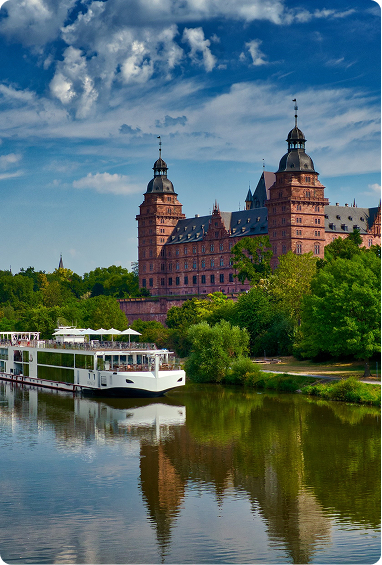

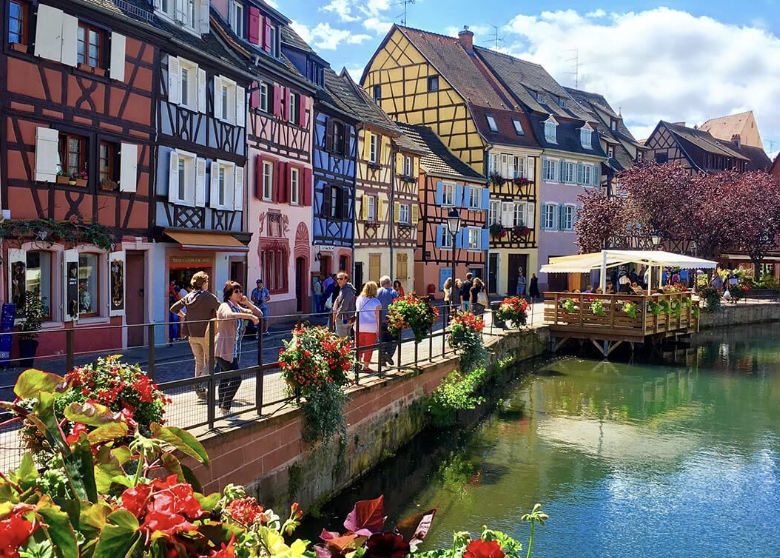
The Danube changes personality repeatedly as it crosses Central Europe, and Viking Jarl is positioned to make those transitions part of the experience. Grand imperial cities eventually give way to vineyard country, fortified towns, abbeys, wooded riverbanks, and smaller communities where the waterway remains part of everyday life. Rather than rushing between these places, Jarl allows guests to follow the geography connecting them, creating a journey where time spent underway can be as memorable as the excursions ashore.
Jarl entered service in 2013 as part of the early generation of Viking Longships. Her name reflects the Scandinavian heritage behind the fleet: a jarl was a Norse noble or chieftain, a title associated with leadership and status during the Viking Age. Inside, however, the atmosphere is thoroughly contemporary, with pale woods, clean lines, understated fabrics, and expansive windows replacing anything resembling a historical theme.
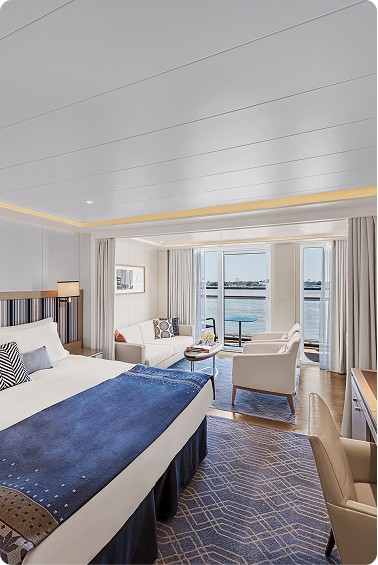
One of Jarl’s greatest strengths is the variety contained within her 95 outside staterooms. Standard Staterooms provide an efficient option for travelers who expect to spend much of their time exploring, while French Balcony Staterooms use floor-to-ceiling sliding glass doors to bring the river directly into the room. Veranda Staterooms introduce private exterior space, and seven Veranda Suites provide separate living and sleeping areas. Two Explorer Suites offer the largest accommodations aboard, with wraparound verandas providing broad views over the river.
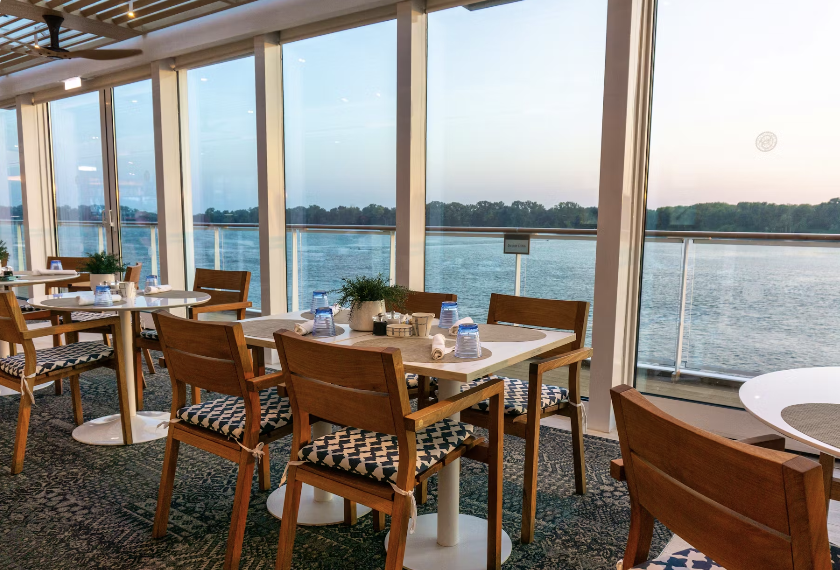
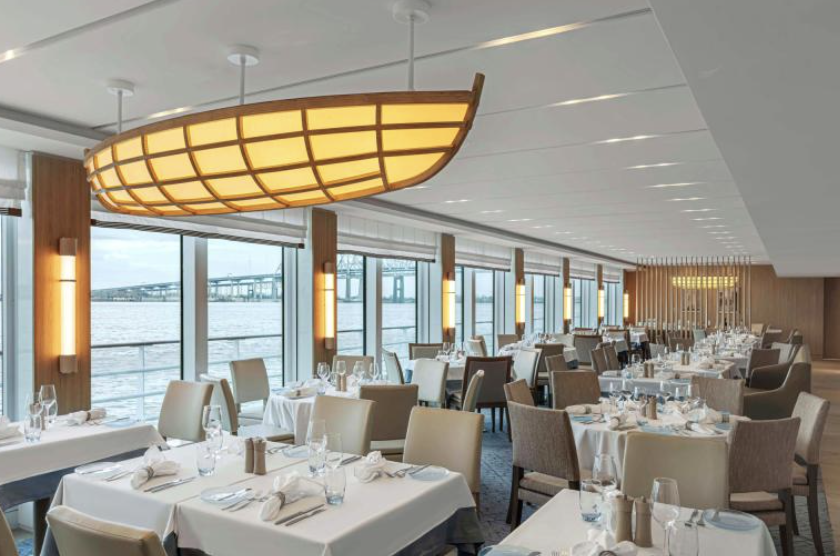
The Restaurant sits at the center of daily life without turning meals into highly formal occasions. Breakfast, lunch, and dinner are served against panoramic river views, with menus incorporating regional influences alongside familiar international selections. Complimentary beer, wine, and soft drinks accompany onboard lunch and dinner. The relaxed approach works particularly well on the Danube, where days can involve substantial sightseeing and guests may prefer an uncomplicated evening after returning aboard.
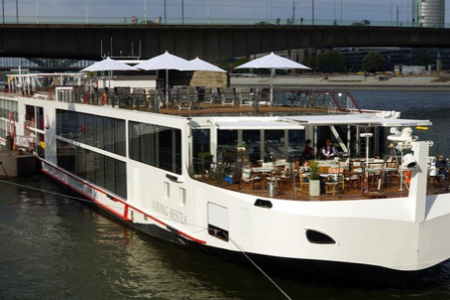
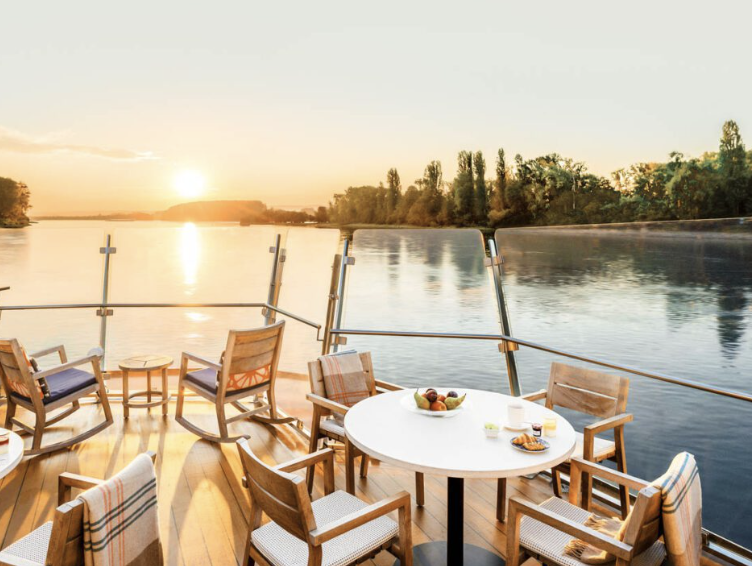
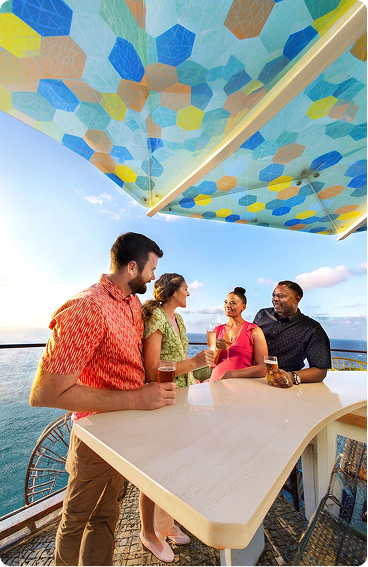
Jarl provides an entirely different dining perspective at the Aquavit Terrace. Located toward the bow, the space combines sheltered and open-air seating and faces the direction of travel. On a pleasant morning, breakfast here might unfold as another riverside village approaches; later in the day, the same setting can provide a casual place for lunch while vineyards or wooded hills move slowly past.
The ship’s Danube itineraries can connect Budapest with destinations in Austria, Slovakia, and Germany. Vienna provides imperial architecture, classical music traditions, museums, and café culture, while Bratislava offers a smaller historic center only a relatively short distance away. Farther west, the Wachau Valley replaces city skylines with vineyards, abbeys, castle ruins, and villages positioned close to the river.
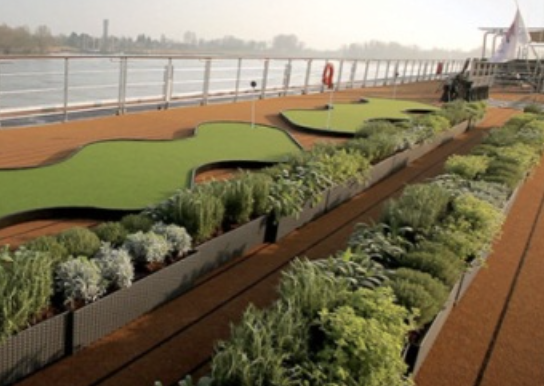
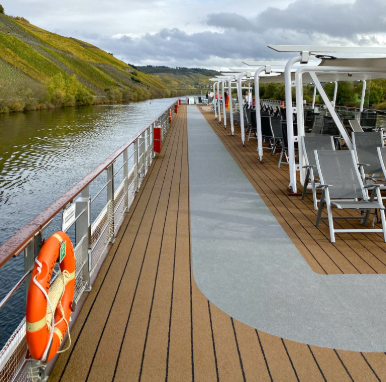
That stretch of the journey makes Jarl’s Sun Deck especially worthwhile. Its elevated 360-degree perspective allows guests to follow scenery appearing on both sides of the vessel, rather than remaining fixed behind one window. Shaded seating provides somewhere to settle in during longer periods outside, while a walking track and putting green offer simple recreation. Solar panels and an organic herb garden are incorporated into the upper deck as part of the Longship design.
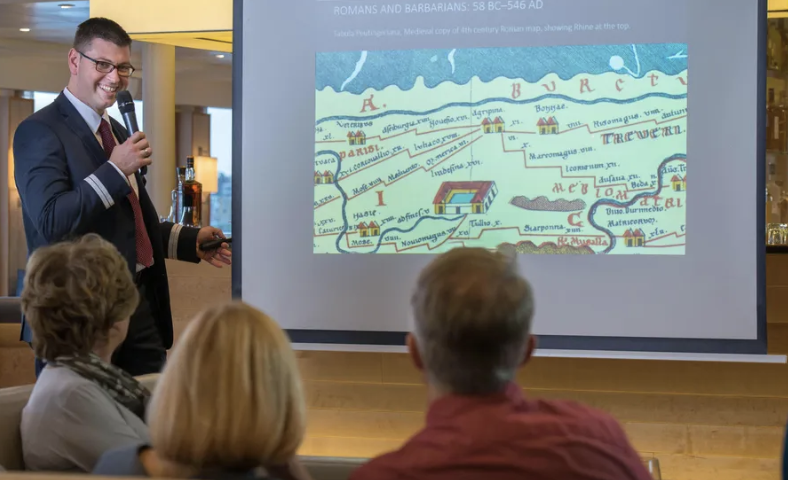
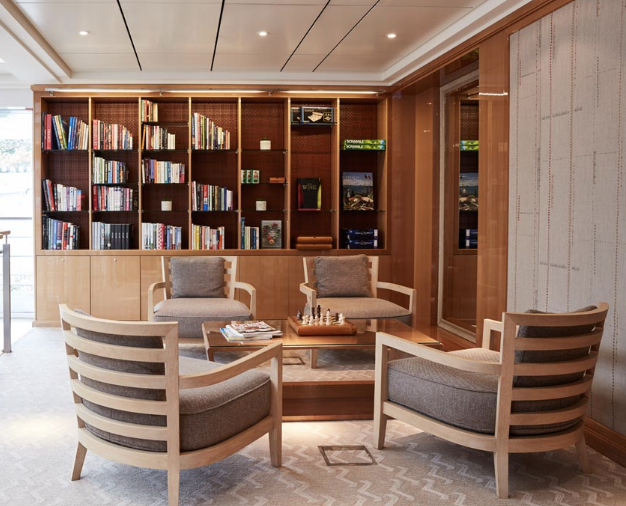
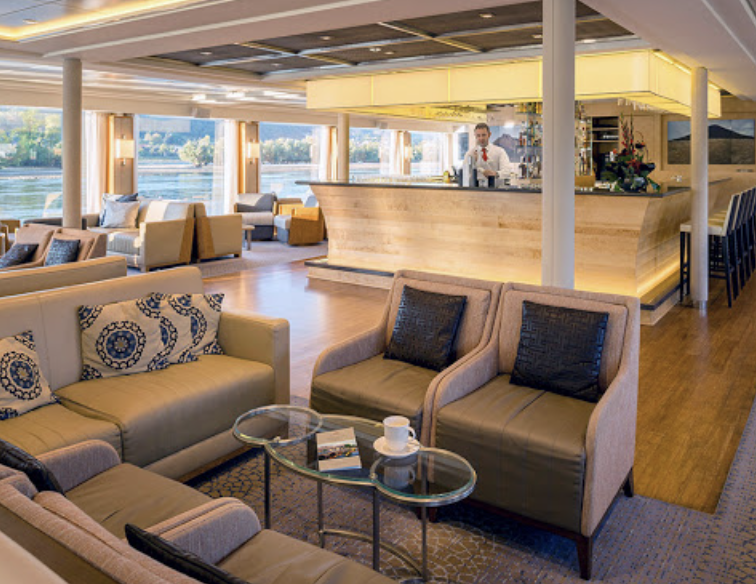
Indoors, the Lounge and Bar provide the main gathering place outside mealtimes. Destination briefings and cultural enrichment can prepare guests for the next port, while later evenings are generally centered on conversation, drinks, and low-key entertainment rather than large theatrical productions. A library provides another quieter corner for guests who prefer to unwind away from the primary social area.
At 443 feet, Jarl was engineered specifically for the locks, bridges, and docking conditions of European waterways. The relatively intimate capacity of 190 guests also means embarkation, excursions, and movement around the ship remain straightforward. This practicality is easy to overlook, but it contributes significantly to the seamless nature of a river itinerary where guests may visit a different destination almost every day.
Jarl’s appeal within European river cruising ultimately comes from how little she interferes with the experience happening outside. The vessel provides a comfortable stateroom, panoramic gathering spaces, regional dining, and a familiar place to return after exploring. The Danube supplies the changing architecture, cultures, landscapes, and history. Together, they create a journey that feels connected from one destination to the next rather than simply a collection of individual port calls.

 Viking Jarl





 Mange your Bookings