Cruises to Polar Regions
Explore the polar regions on expedition cruises, where icy landscapes, rare wildlife, and once-in-a-lifetime adventures await.
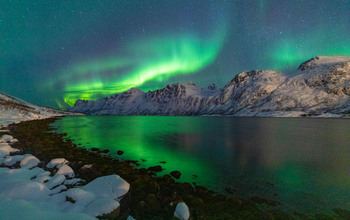
A cruise through the Arctic, Greenland, and Iceland offers a journey into some of the Northern Hemisphere’s most remote and visually striking environments. These voyages combine immense glaciers, sculpted icebergs, volcanic landscapes, wildlife-rich waters, and small communities shaped by life at the edge of the Arctic. Unlike traditional warm-weather cruises, polar itineraries are built around exploration, changing conditions, and close observation of the natural world.
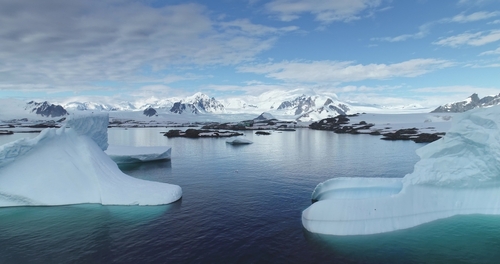
Greenland is one of the defining destinations of the region. Its coastline is carved by deep fjords and lined with glaciers that release immense icebergs into the surrounding sea. Travelers may visit colorful settlements, sail among towering formations of blue and white ice, or explore isolated bays by Zodiac. Western Greenland offers access to communities such as Nuuk, Ilulissat, and Sisimiut, while eastern routes may reach remote fjords and wilderness areas where ships encounter little sign of modern development.
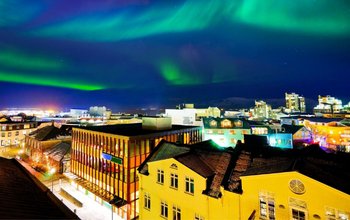
Iceland brings a dramatic contrast of fire and ice. The island’s volcanic terrain includes lava fields, geothermal areas, black-sand beaches, waterfalls, glaciers, and rugged coastal cliffs. Reykjavík often serves as a major embarkation point, while ports around the island provide access to the Westfjords, northern fishing communities, whale-watching areas, and landscapes shaped by ongoing geological activity.
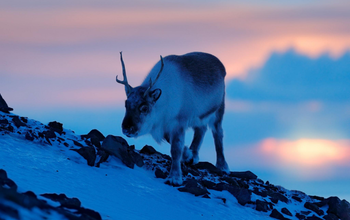
Farther north, Arctic itineraries may extend toward Svalbard, Jan Mayen, or the remote coastlines of northern Norway and Canada. These areas are known for sea ice, tundra, glaciers, and wildlife adapted to extreme conditions. Depending on the destination and season, travelers may search for polar bears, Arctic foxes, walruses, reindeer, whales, seals, puffins, and other seabirds.
The expedition experience is a central part of most polar voyages. Smaller vessels and reinforced ships allow access to fjords, channels, and landing sites beyond the reach of conventional cruise ships. Zodiac outings, guided hikes, kayaking, photography sessions, and wildlife observation are often led by expedition teams that may include naturalists, marine biologists, geologists, historians, and local cultural experts.
Conditions in the Arctic can change quickly, so flexibility is an important part of the journey. Ice, wind, wildlife activity, and sea conditions may influence where the ship can sail or land. Rather than following a rigid daily schedule, expedition teams often adjust the plan to take advantage of the best available opportunities.
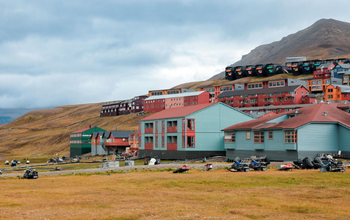
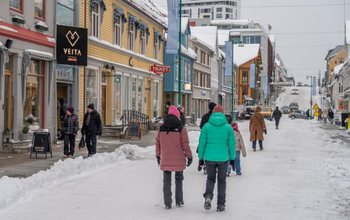
Culture also plays an important role, particularly in Greenland and Iceland. Visits may introduce travelers to Inuit traditions, Nordic history, fishing communities, local art, and ways of life shaped by isolation, climate, and the sea. These encounters provide a human connection to landscapes that might otherwise appear entirely untouched.
With its combination of ice, wildlife, geology, remote communities, and expedition-style exploration, the Arctic offers a cruise experience that feels both adventurous and deeply immersive. Every voyage is different, shaped by the season, local conditions, and the constantly changing polar environment.









 Mange your Bookings