Cruises to Middle East
Journey through the Middle East where ancient wonders, modern cities, and vibrant cultures meet. Explore Egypt, Dubai, Muscat, Aqaba, and more amid desert beauty and coastal charm.
A cruise through the Middle East offers a journey across some of the world’s most historically significant landscapes, connecting ancient civilizations, sacred sites, desert kingdoms, and culturally rich waterways. While the region includes modern cities and resort destinations, many of its most memorable cruise experiences center on Egypt, the Nile River, Jordan, Saudi Arabia, and the Red Sea.
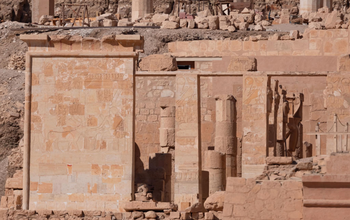
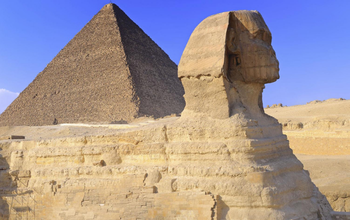
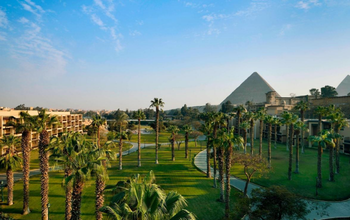
Egypt is one of the region’s greatest highlights, offering thousands of years of history along both the Nile and the Red Sea. Cairo provides access to the Pyramids of Giza, the Great Sphinx, historic mosques, museums, and neighborhoods shaped by centuries of cultural exchange. Farther south, the Nile passes temples, tombs, villages, and agricultural landscapes that have supported communities since ancient times.
Nile River cruises provide an intimate way to experience Egypt’s archaeological treasures. Most journeys travel between Luxor and Aswan, with guided visits to the Valley of the Kings, Karnak Temple, Luxor Temple, Edfu, Kom Ombo, and other historic sites. Some programs also include Cairo hotel stays, visits to Abu Simbel, or extensions along Lake Nasser, creating a more complete exploration of ancient Egypt.
Jordan adds another remarkable dimension to Middle East cruising. The port of Aqaba serves as a gateway to Petra, where monumental structures were carved directly into rose-colored rock by the Nabataeans. Travelers may also explore the desert valleys of Wadi Rum, float in the mineral-rich waters of the Dead Sea, or visit sites associated with biblical and Roman history.
Saudi Arabia is emerging as an increasingly distinctive cruise destination, particularly along its Red Sea coast. Jeddah combines a modern waterfront with Al-Balad, its historic district of coral-stone buildings, traditional markets, and centuries-old trading heritage. Other coastal gateways may provide access to archaeological areas, desert landscapes, religious history, and regions that were previously difficult for international travelers to experience.
The Red Sea itself is known for clear water, coral reefs, marine life, and coastal scenery. Depending on the port, travelers may snorkel, dive, visit beaches, explore desert environments, or travel inland to historic landmarks. Egyptian ports such as Safaga and Ain Sokhna can also serve as starting points for excursions to Luxor, Cairo, and other major destinations.
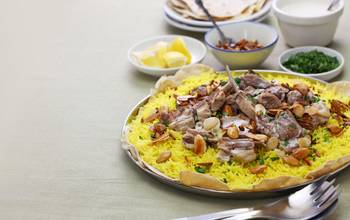
Culture and cuisine bring additional depth to the journey. Travelers may encounter traditional souks, Islamic architecture, Bedouin customs, regional handicrafts, and foods such as mezze, grilled meats, fragrant rice dishes, flatbreads, dates, and fresh seafood. Egyptian, Jordanian, Saudi, Levantine, and North African influences create a culinary experience that changes noticeably from one destination to the next.
With its combination of ancient monuments, sacred landscapes, river journeys, desert adventures, and Red Sea ports, the Middle East offers a cruise experience built around discovery. These voyages are especially well suited to travelers interested in archaeology, history, religion, culture, and destinations that extend far beyond the traditional Mediterranean route.









 Mange your Bookings