Cruises to Transatlantic
Experience the elegance of a Transatlantic cruise, where relaxed days at sea, refined service, and endless ocean views create a timeless journey between continents.
A transatlantic cruise offers a classic ocean journey between Europe and North America, combining several days at sea with visits to major cities, historic ports, and island destinations along the route. Rather than treating the Atlantic crossing as transportation alone, these voyages turn the journey itself into a central part of the vacation, with time to enjoy the ship, slow the pace, and experience the scale of the open ocean.
Many transatlantic cruises operate seasonally as ships reposition between Europe and the Caribbean or North America. Spring sailings commonly travel eastbound toward Europe, while autumn voyages usually head west toward Florida, New York, or other North American ports. These routes often provide strong value, longer durations, and opportunities to visit several countries within one itinerary.
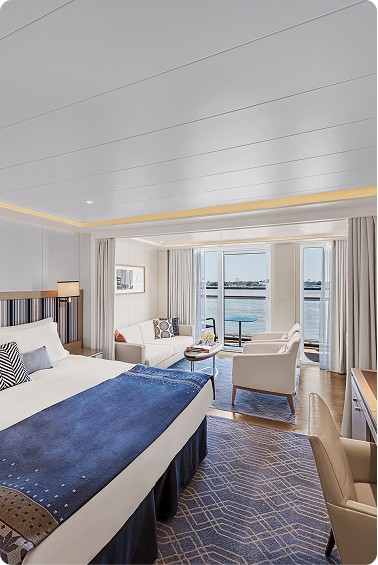
Days at sea are one of the defining features of a transatlantic voyage. With fewer port calls than a typical Mediterranean or Caribbean cruise, travelers have more time to enjoy dining, entertainment, enrichment programs, spas, pools, lounges, and other onboard amenities. The slower rhythm appeals to guests who enjoy the ship experience as much as the destinations and prefer a more relaxed alternative to a fast-paced port schedule.
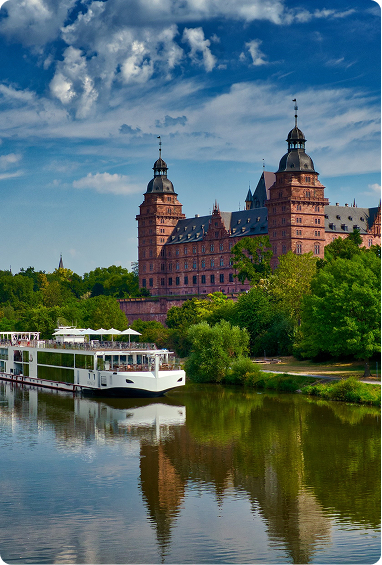
The European side of the journey may include cities such as Southampton, Lisbon, Barcelona, Rome, or ports along the Atlantic coast. Depending on the route, travelers might explore historic neighborhoods, cathedrals, museums, wine regions, and coastal scenery before the ocean crossing begins. On the North American side, voyages may conclude in New York, Miami, Fort Lauderdale, Boston, or another major gateway.
Atlantic islands often add variety to the itinerary. The Azores, Madeira, Canary Islands, Bermuda, and occasionally Iceland or Greenland may be included, depending on the season and route. These stops break up longer stretches at sea while adding volcanic scenery, historic towns, gardens, beaches, and distinctive island cultures.
Some voyages follow the traditional northern route between Southampton and New York, emphasizing the romance and heritage of ocean travel. Others take a more southerly path through Spain, Portugal, or the Mediterranean before crossing toward Florida or the Caribbean. Longer itineraries may connect Northern Europe, the Mediterranean, or Scandinavia with North America as part of a grand voyage.
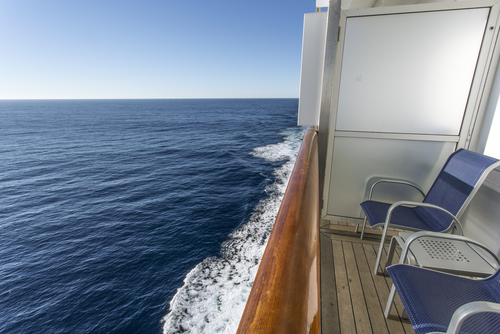
Weather and sea conditions can vary considerably across the Atlantic. Spring and autumn crossings may bring cooler temperatures and changing conditions, while southern routes generally offer warmer weather. For many travelers, the atmosphere of the crossing—including open horizons, shifting skies, and uninterrupted time at sea—is part of what makes the journey so memorable.
With its combination of leisurely sea days, international ports, and historic ocean travel, a transatlantic cruise offers a distinctive alternative to a conventional roundtrip sailing. It is especially well suited to travelers who enjoy longer voyages, a relaxed pace, and the experience of moving gradually between continents.













 Mange your Bookings