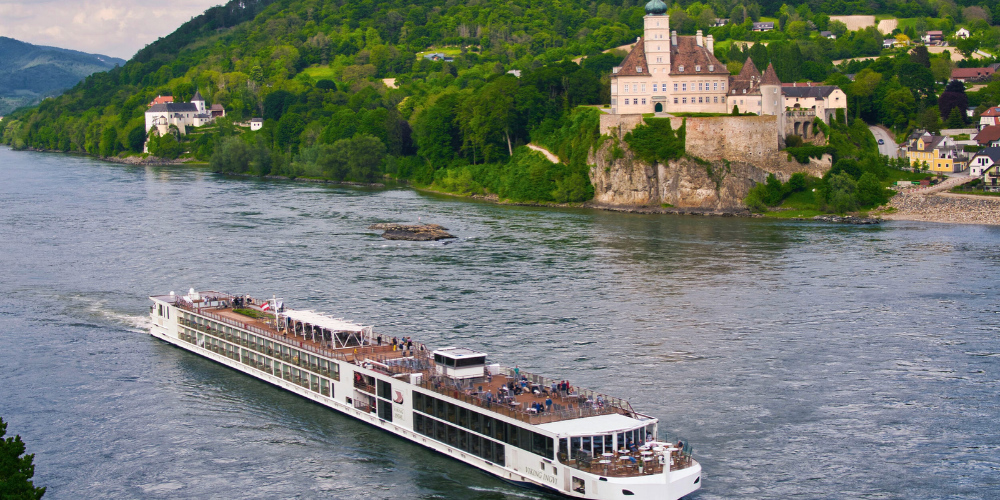

Long before the Rhine became a leisure-travel destination, it served as one of Europe’s great arteries for commerce, migration, and cultural exchange. Viking Idun gives travelers an opportunity to experience that history geographically, moving through regions where medieval towns, wine-producing valleys, cathedral cities, and modern urban centers remain connected by the same waterway. Launched in 2012 as one of Viking’s original Longships, Idun combines an established river-cruising design with itineraries that place the changing landscapes of Europe at the center of the journey.
Idun takes her name from the Norse goddess associated with spring, rejuvenation, and eternal youth. That Scandinavian heritage carries into the ship itself through the understated design associated with Viking. Light woods, natural textures, clean architectural lines, and abundant glass give the interiors a contemporary character without overwhelming the views beyond the ship.
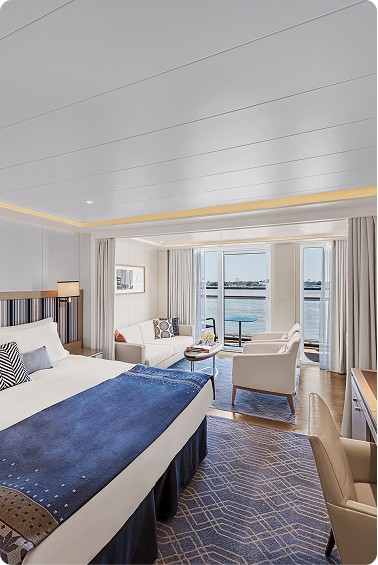
Her 95 outside staterooms are divided among several distinctly different categories. Twenty-five Standard Staterooms provide approximately 150 square feet and traditional river-view windows, while 22 French Balcony Staterooms use floor-to-ceiling sliding glass doors to open the room toward the scenery. Thirty-nine Veranda Staterooms add full private balconies, seven Veranda Suites provide separate sleeping and living areas, and two Explorer Suites offer approximately 445 square feet with wraparound verandas and expansive views from the aft portion of the vessel.
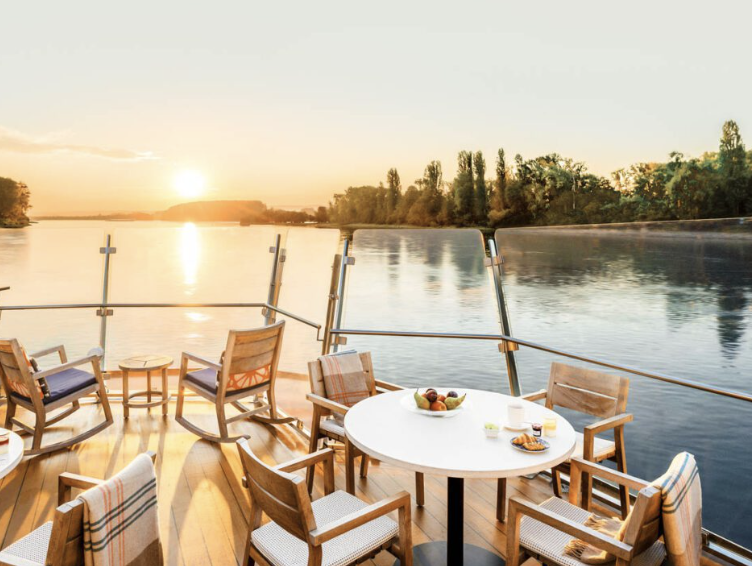
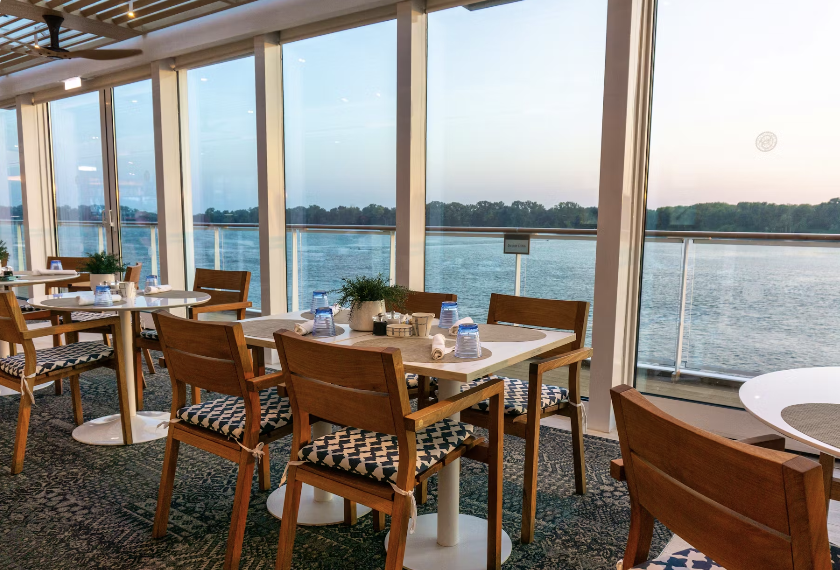
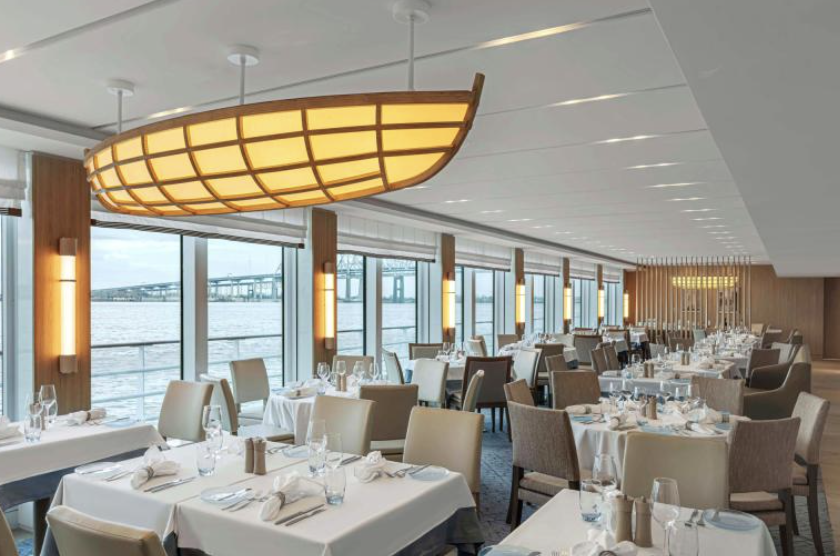
The Restaurant is designed around the same visual connection with the river. Floor-to-ceiling windows surround guests during breakfast, lunch, and dinner, while menus can incorporate regional influences alongside familiar international choices. For a less traditional setting, the Aquavit Terrace occupies a forward-facing position at the bow. Its combination of indoor and outdoor seating makes it particularly appealing while Idun is underway, allowing guests to enjoy a casual meal while looking directly toward the landscape ahead.
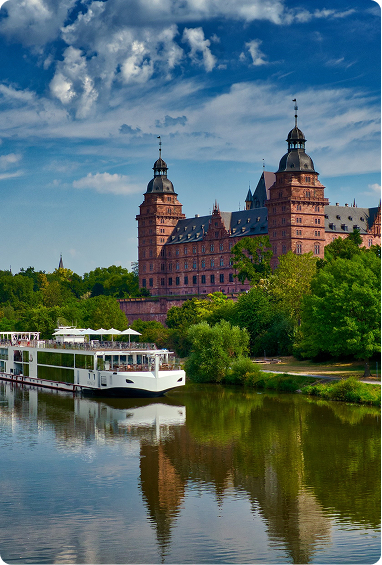
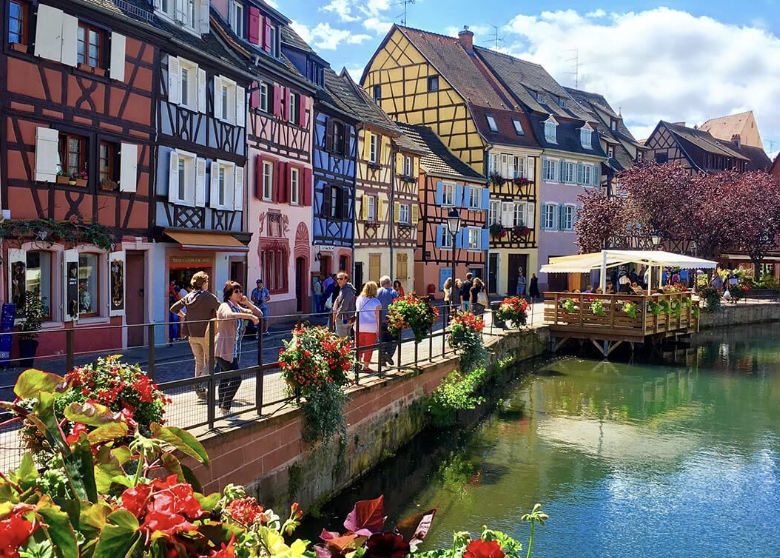
Idun’s current journeys can combine river cruising with time in major European cities, including routes between Paris and Zürich. Along the way, the ship can explore the Rhine and Moselle, bringing travelers into the heart of Germany and neighboring regions. The Moselle introduces a more intimate landscape of steep vineyards and compact wine communities, while the Rhine adds historic trading centers, castles, fortifications, and some of the continent’s most recognizable river scenery.
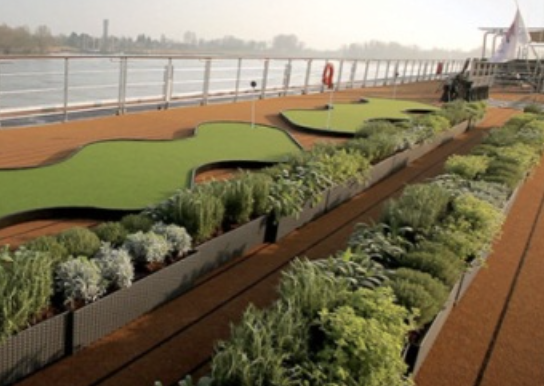
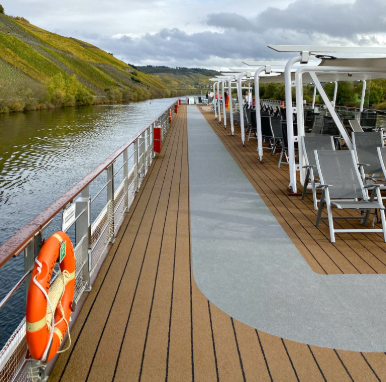
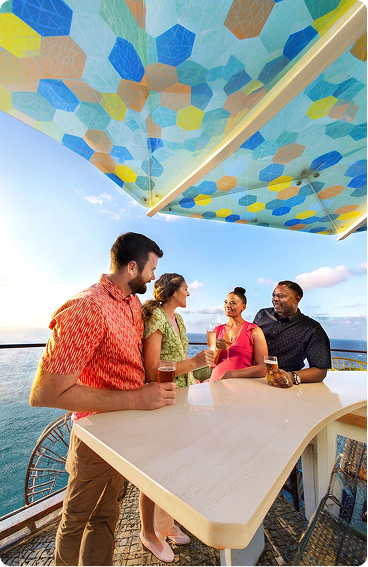
That scenery is best appreciated from the Sun Deck. With 360-degree views, guests can follow both sides of the river as Idun moves between communities, passes beneath bridges, or enters another lock. Shaded seating provides somewhere comfortable to remain outdoors during longer cruising periods, while a walking track and putting green add simple recreational options. Solar panels and an organic herb garden are incorporated into the upper deck as well.
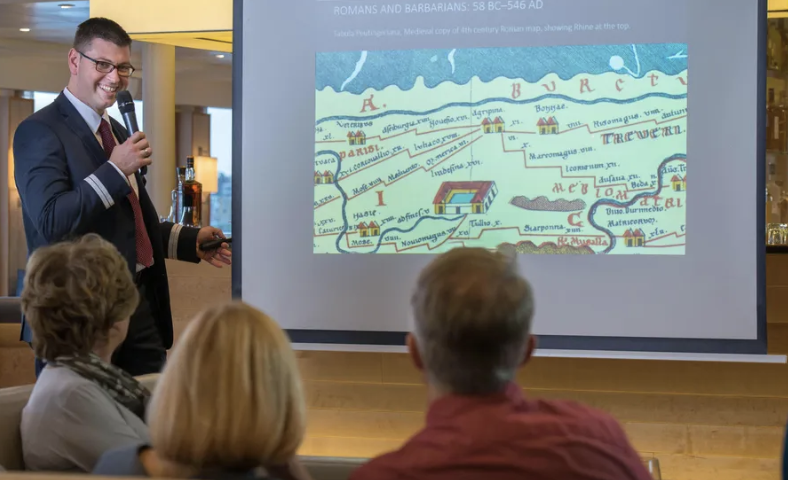
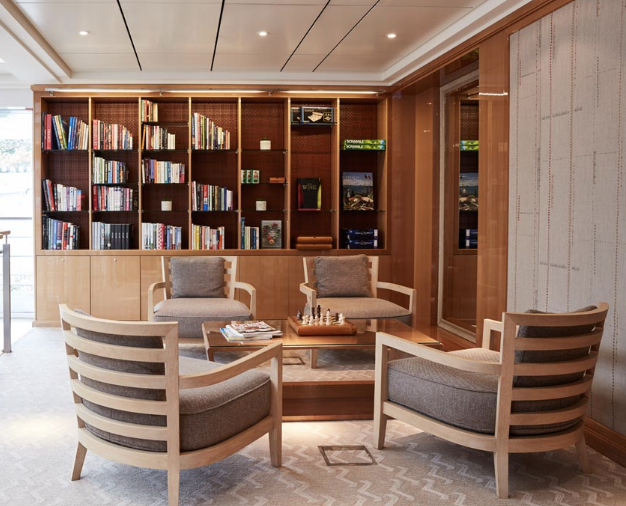
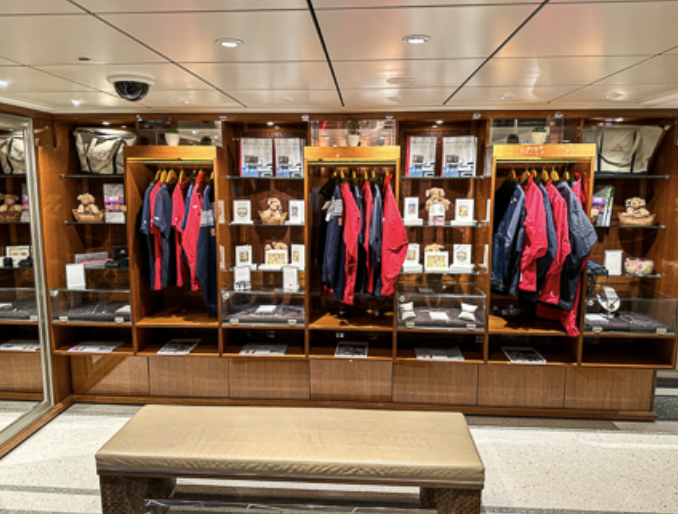
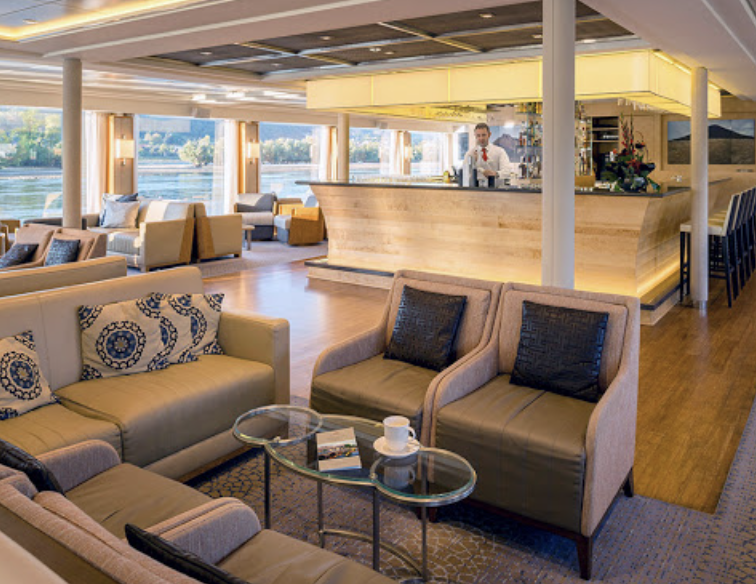
The Lounge and Bar take over when guests move indoors. Floor-to-ceiling glass keeps the river present, but the atmosphere changes throughout the day—from quiet conversation and reading to destination presentations, cultural enrichment, drinks, and informal evening entertainment. A library and onboard shop add smaller spaces without turning Idun into the type of ship where guests need a deck map simply to find their way around.
Included excursions extend that destination-focused philosophy ashore. Historic centers, architecture, regional food and wine traditions, and local culture become the primary attractions, while onboard programming can provide useful context before guests arrive. Idun’s relatively small passenger count also means the transition between ship and shore is straightforward, an important advantage on itineraries where exploration occupies much of each day.
As one of the vessels that helped establish the modern Viking Longship concept, Idun has an interesting place within European river cruising. She combines the familiarity of a proven design with routes that can move beyond the most conventional Rhine itinerary into the vineyard landscapes of the Moselle and extended city stays. For travelers who want the ship to provide comfort without distracting from Europe itself, Idun remains a particularly natural fit.

 Viking Idun





 Mange your Bookings