
There is something especially rewarding about experiencing Europe from a ship new enough to incorporate Viking’s latest refinements while still following the proven Longship concept. Viking Haki joined the fleet in 2026, bringing the familiar combination of Scandinavian design, intimate river cruising, and destination-focused travel into a new generation. Rather than relying on elaborate onboard attractions, Haki is designed around a simpler idea: create comfortable spaces from which travelers can experience the cities, countryside, and historic waterways of Europe.
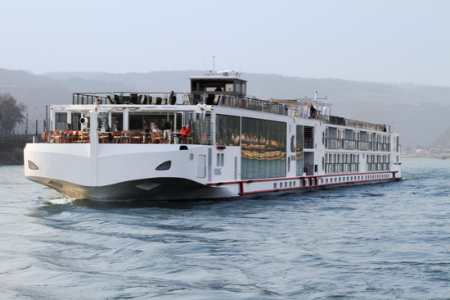
Haki accommodates just 190 guests in 95 outside staterooms, maintaining the small-scale atmosphere that distinguishes the Viking river experience. At 443 feet long, the vessel is engineered to navigate the locks, bridges, and docking locations encountered across Europe’s interconnected river system. Hybrid engines are designed to reduce vibration, while solar panels and an onboard organic herb garden are incorporated into the Longship platform.
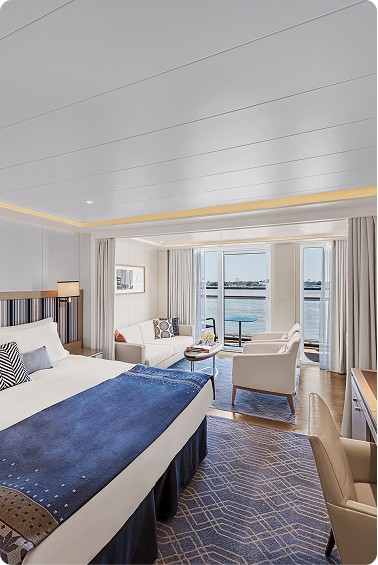
Accommodation choices are unusually varied for a vessel of this size. Twenty-five Standard Staterooms provide an efficient option for travelers who expect to spend most of their days exploring, while 22 French Balcony Staterooms introduce floor-to-ceiling access to the passing scenery. Another 39 Veranda Staterooms include private outdoor space. Seven Veranda Suites offer separate living and sleeping rooms, and two Explorer Suites occupy some of the ship’s most desirable space with expansive views and wraparound verandas.
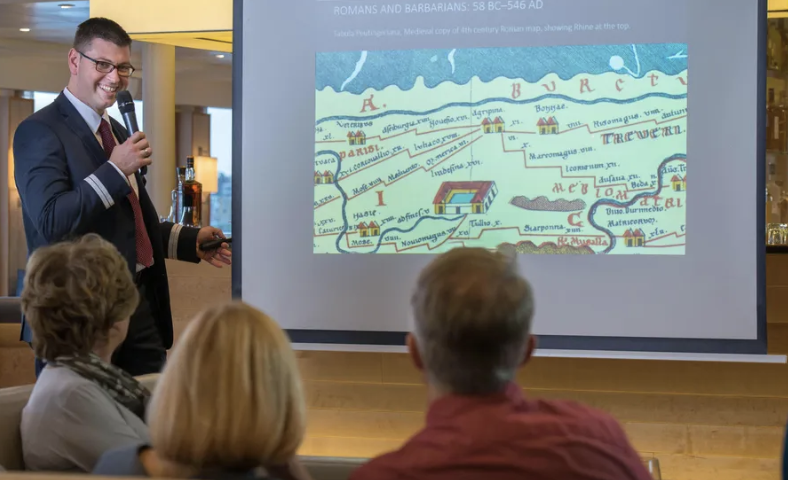
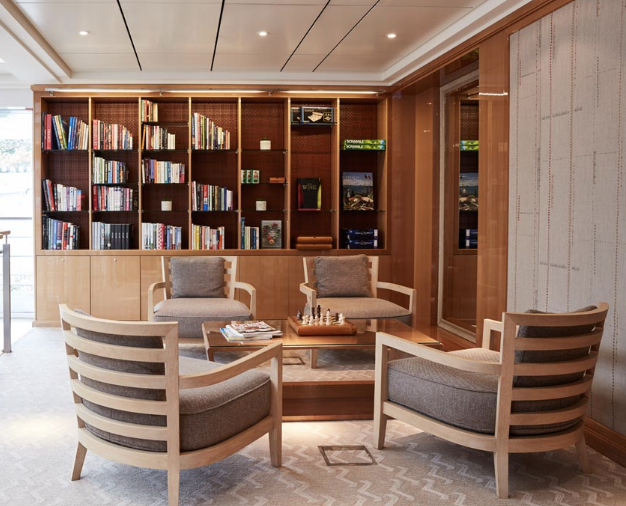
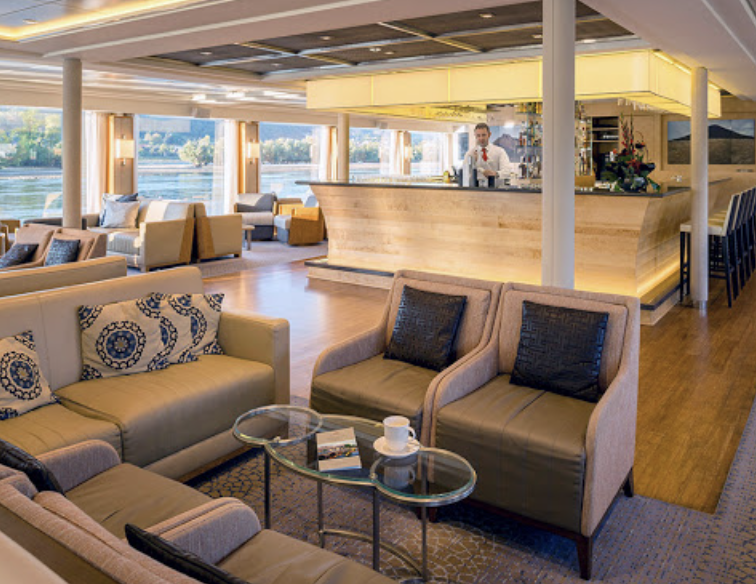
Haki’s public areas encourage guests to experience the river differently throughout the day. The Lounge and Bar use floor-to-ceiling glass doors to maintain a strong visual connection with the surroundings, whether the vessel is docked beside a historic city or moving through open countryside. The space can transition from quiet daytime relaxation to destination presentations, cultural enrichment, conversation, and informal evening entertainment without feeling overly programmed.
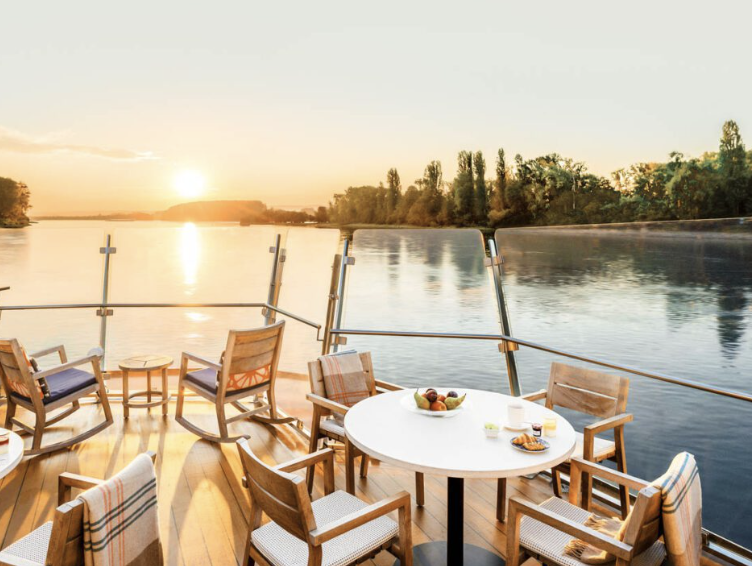
At the bow, the Aquavit Terrace provides an entirely different perspective. Its combination of sheltered and open-air seating faces the direction of travel, making it an inviting place to watch a new destination gradually appear ahead. Selected meals can also be enjoyed here, creating a casual alternative to the Restaurant and one of the strongest indoor-outdoor experiences aboard.
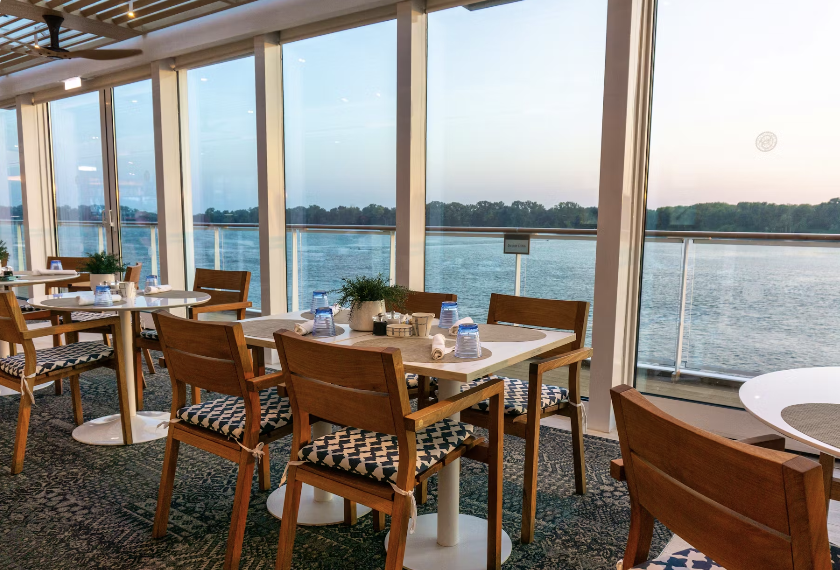
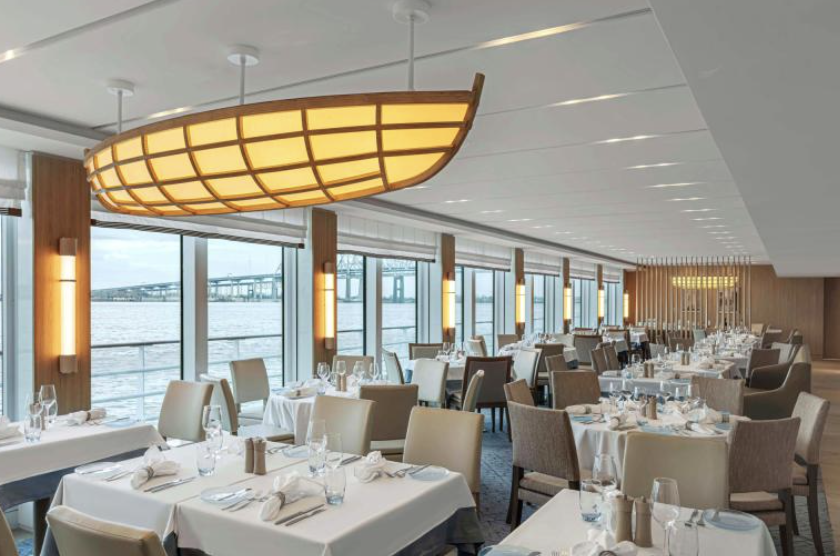
The Restaurant handles the principal breakfast, lunch, and dinner service, with panoramic windows allowing sightseeing to continue during meals. Menus balance familiar selections with dishes inspired by the regions being visited, while complimentary beer, wine, and soft drinks accompany onboard lunch and dinner. Dining remains intentionally approachable, allowing the experience to fit naturally around excursions rather than requiring guests to organize their day around formal meal schedules.
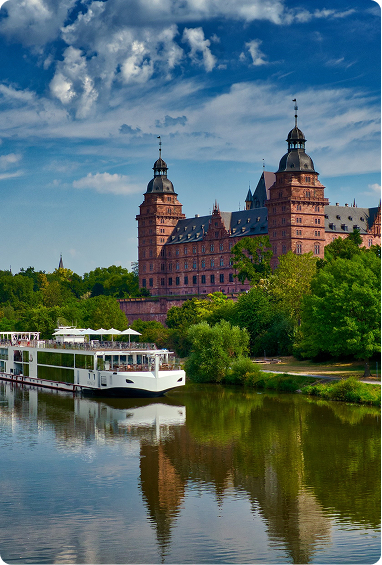
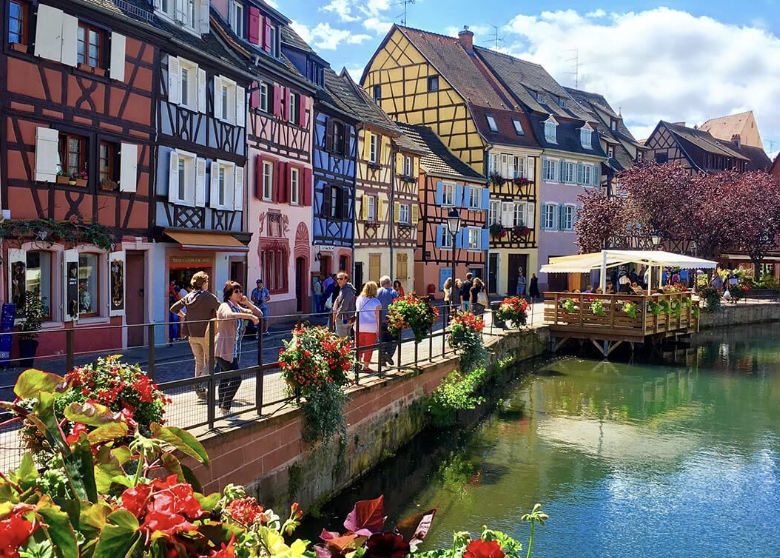
Haki can explore several of Europe’s most important waterways, and that versatility gives the ship a different personality depending on the itinerary. Rhine journeys can connect Amsterdam and Basel through the Netherlands, Germany, France, and Switzerland, while longer voyages can extend through the Main-Danube Canal toward Austria and Hungary. One journey may emphasize Rhine castles, vineyards, and medieval communities; another can introduce the imperial architecture and cultural traditions of the Danube.
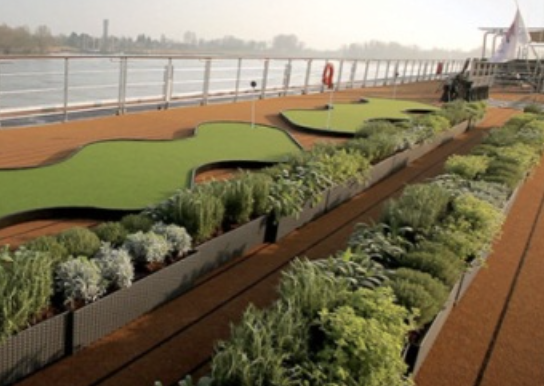
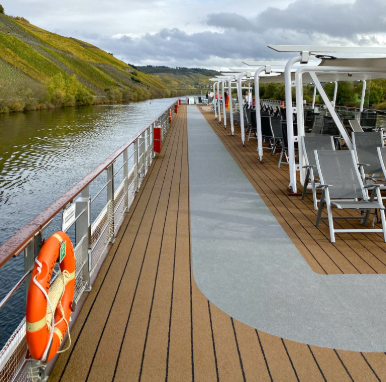
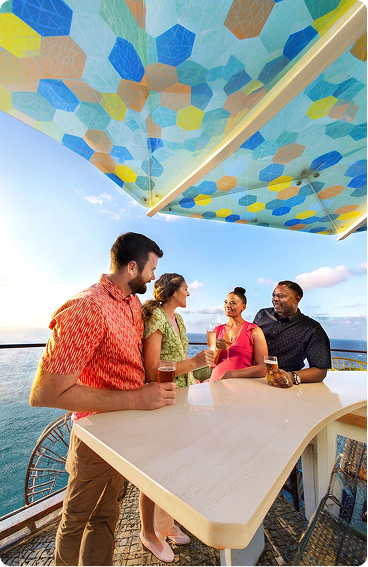
The Sun Deck becomes particularly valuable as those surroundings change. With 360-degree views, shaded seating, a walking track, and putting green, it provides considerably more than a place to step outside. Guests can follow the vessel through locks, watch vineyard-covered hillsides pass alongside the ship, photograph historic skylines, or simply find a seat as rural scenery gives way to the next European city.
As one of Viking’s newest Longships, Haki combines a well-established river-cruising formula with a fresh vessel designed for modern European exploration. Its strength is not any single restaurant, lounge, or stateroom category, but how effectively those elements support the journey beyond the ship. For travelers interested in history, architecture, regional cuisine, and seeing the connections between European destinations rather than simply arriving at them, Haki provides an intimate and contemporary way to travel.

 Viking Haki





 Mange your Bookings