
Along the Nile, the landscape often changes within minutes—from cultivated riverbanks lined with palms and farmland to desert stretching toward the horizon. Viking Geb was created specifically for this environment, giving travelers a comfortable way to move between the archaeological treasures and living communities of Egypt. Rather than functioning simply as transportation between temples and historic sites, the ship keeps the Nile continuously present, allowing guests to experience the river that shaped Egyptian civilization while traveling through the country itself.
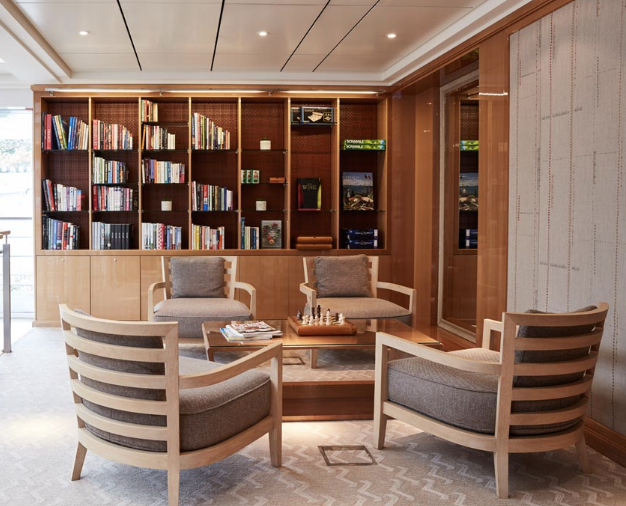
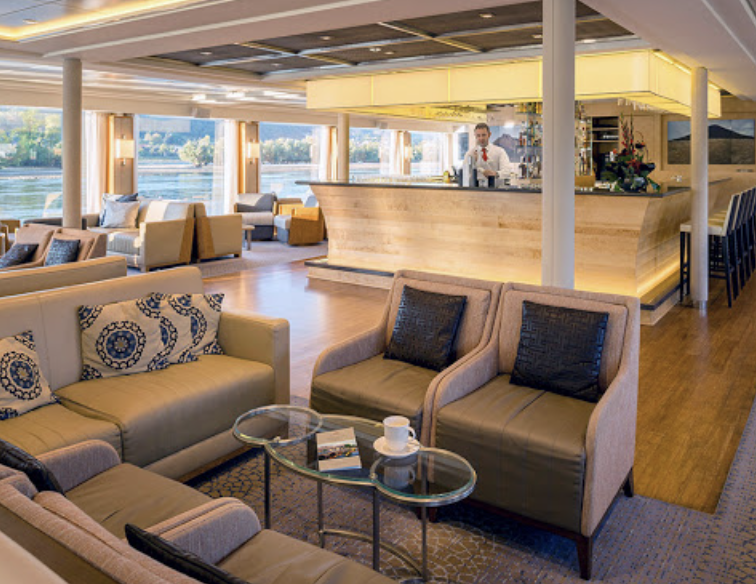
Geb belongs to Viking’s growing fleet of purpose-built Nile vessels and carries only 82 guests. That small capacity creates a distinctly different atmosphere from both traditional ocean cruising and the company’s larger European Longships. Public areas are scaled accordingly, making the ship easy to navigate and creating a more personal environment after days spent exploring ashore. Scandinavian simplicity remains part of the design language, but regional influences and warm materials give the interiors a character appropriate to their Egyptian setting.
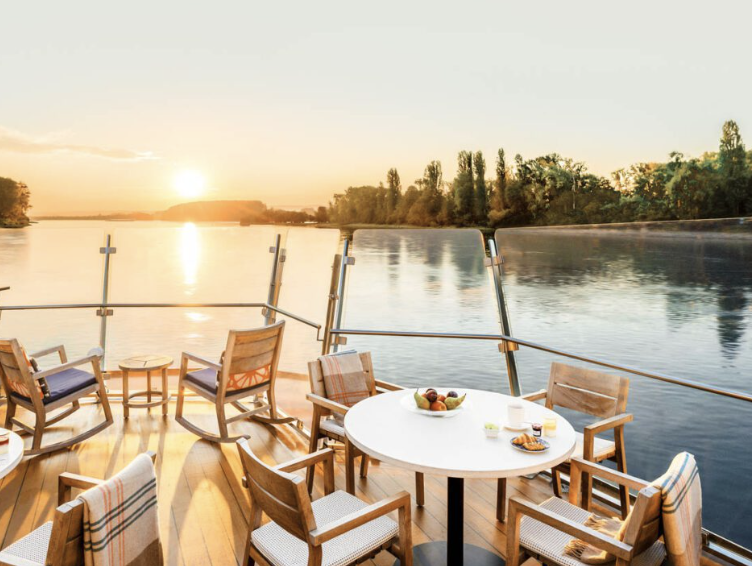
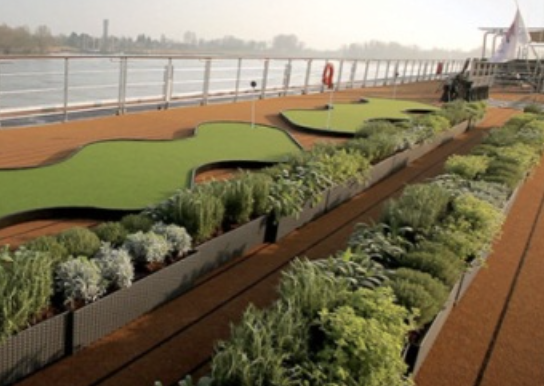
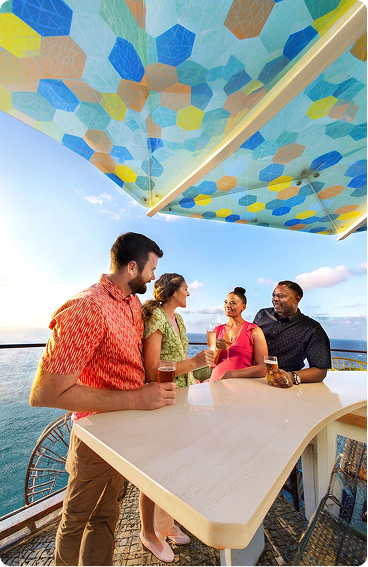
The ship’s open-air spaces are especially important on this itinerary. From the upper deck, guests can watch fishing boats, villages, farmland, palm groves, and desert scenery unfold along the Nile. A swimming pool provides a welcome place to cool off between excursions, while shaded seating allows travelers to remain outside without giving up comfort. These areas can become particularly appealing late in the afternoon, when the temperature begins to soften and the river takes on a quieter character.
Exploration ashore provides the journey with its historical scale. Nile itineraries can introduce guests to the temples and monuments surrounding Luxor, Karnak, Esna, Edfu, and other communities along the river, with excursions revealing thousands of years of Egyptian history. The experience can extend beyond the cruise itself through time in Cairo, where museums, ancient monuments, and the pyramids provide another perspective on the civilization encountered farther south. Traveling between these sites by river adds geographical context that is difficult to reproduce on a conventional land tour.
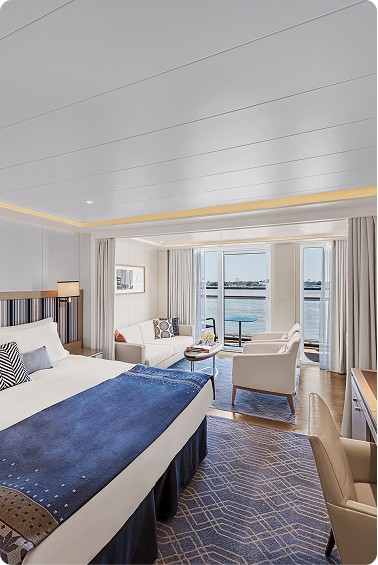
Geb’s 41 outside staterooms are designed to maintain that relationship with the surroundings. Every accommodation features a private veranda, allowing guests to step outside without leaving their room. Interiors combine contemporary comfort with understated styling, and the relatively generous dimensions provide a welcoming retreat after excursion-heavy days. Suite accommodations offer additional space for travelers seeking a more residential environment during the journey.
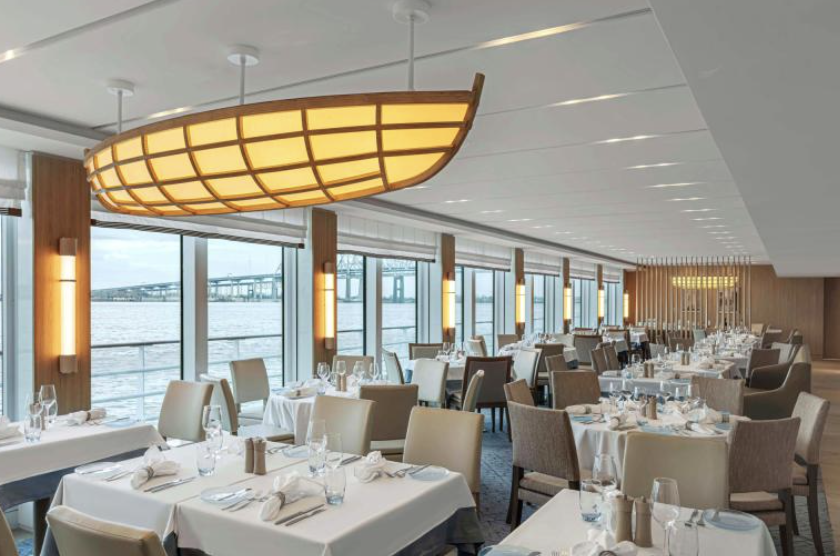
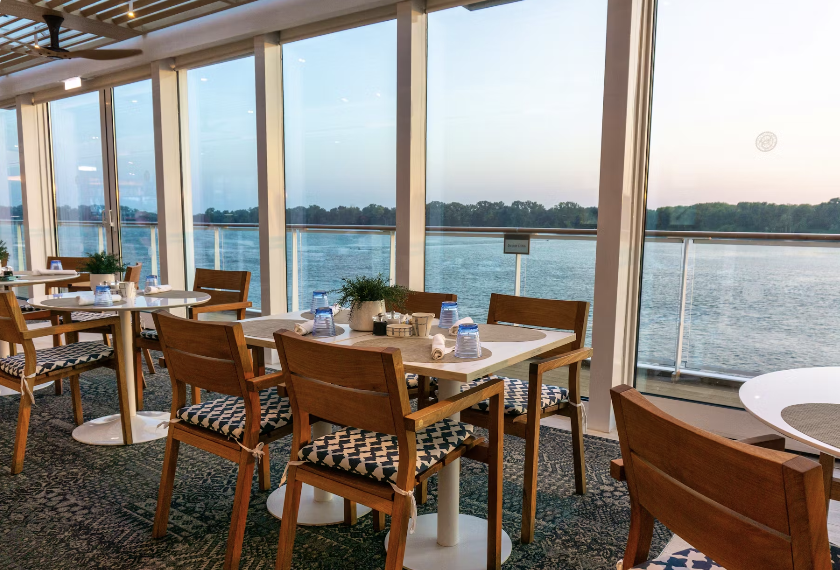
Dining aboard reflects both the international character of Viking and the region being explored. Menus can incorporate Egyptian and Middle Eastern influences alongside familiar selections, allowing guests to encounter local flavors within a comfortable setting. The smaller scale of the vessel creates a relaxed dining atmosphere, while panoramic windows preserve views of the Nile throughout meals.
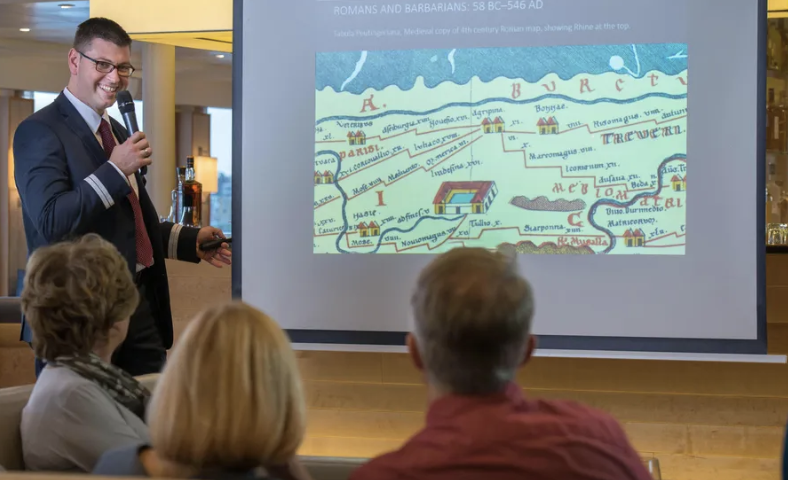
Enrichment adds another layer to the experience. Lectures and destination programming can provide context for Egypt’s dynasties, archaeology, religion, art, and architecture before guests encounter important sites in person. This approach is particularly valuable in a destination where monuments separated by centuries can appear within the same day of touring. Evenings aboard remain comparatively quiet, giving travelers time to relax, discuss what they have seen, or simply watch the river after an intensive day ashore.
Viking Geb offers a form of river travel that feels fundamentally different from cruising through Europe. The Nile is not merely a route connecting ports; it is part of the history guests have traveled to understand. By combining a small passenger count, all-veranda accommodations, outdoor viewing areas, destination-focused enrichment, and extensive exploration ashore, Geb provides an intimate platform for experiencing one of the world’s most historically significant waterways.

 Viking Geb





 Mange your Bookings