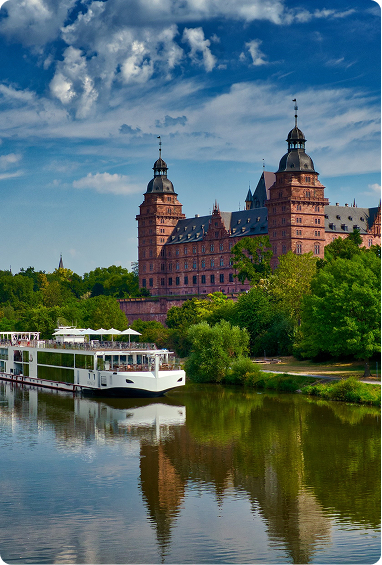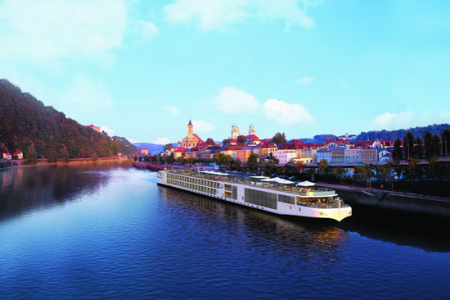

Designing a river ship means working within strict limits imposed by locks, bridges, and narrow waterways, yet Viking Freya uses those restrictions to its advantage. The 443-foot vessel was among the ships that helped establish the modern Longship concept for Viking, combining an asymmetrical interior arrangement with expansive glass and efficient public spaces. Carrying 190 guests rather than thousands, Freya feels closely connected to the waterways she travels, with the river rarely far from view.
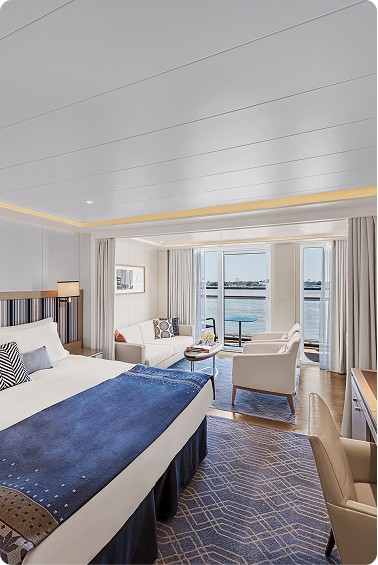
That innovative layout is most noticeable in the accommodations. Instead of relying on a completely symmetrical cabin arrangement, Viking uses the ship’s width differently on either side of the corridor, creating enough space for several distinct stateroom styles. French Balcony rooms offer floor-to-ceiling access to fresh air and scenery, while Veranda Staterooms provide a true private balcony. Veranda Suites add separate living and sleeping areas, and Explorer Suites offer the most generous accommodations aboard. Standard Staterooms provide a comfortable alternative for travelers who expect to spend more of their time in the ship’s public areas or exploring ashore.
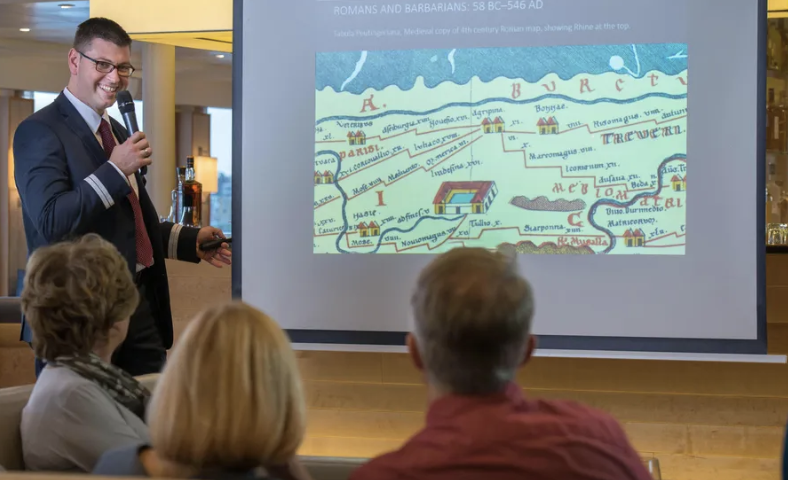
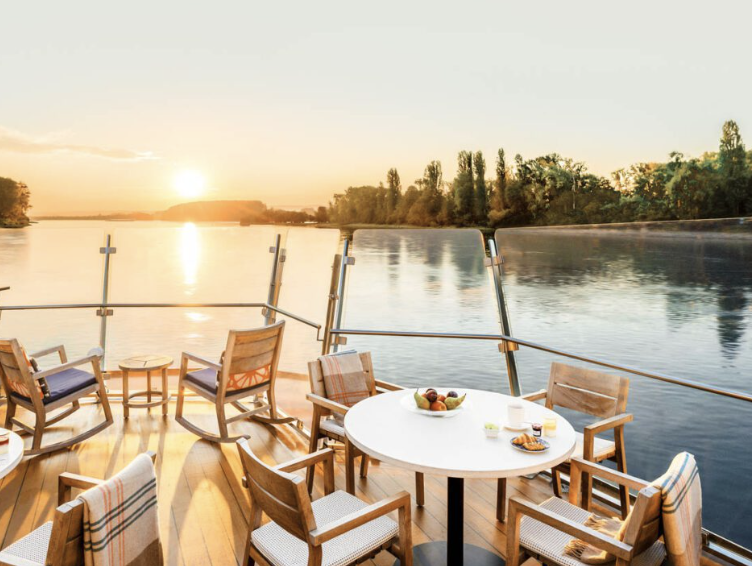
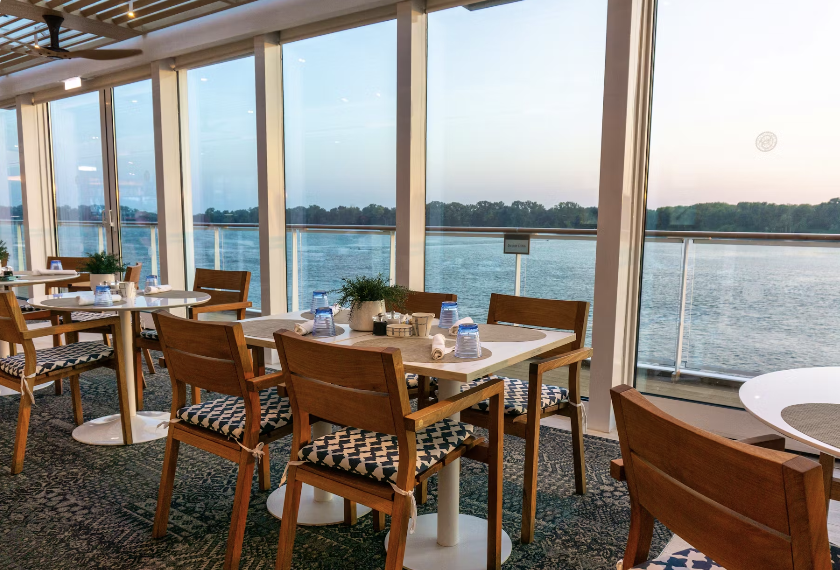
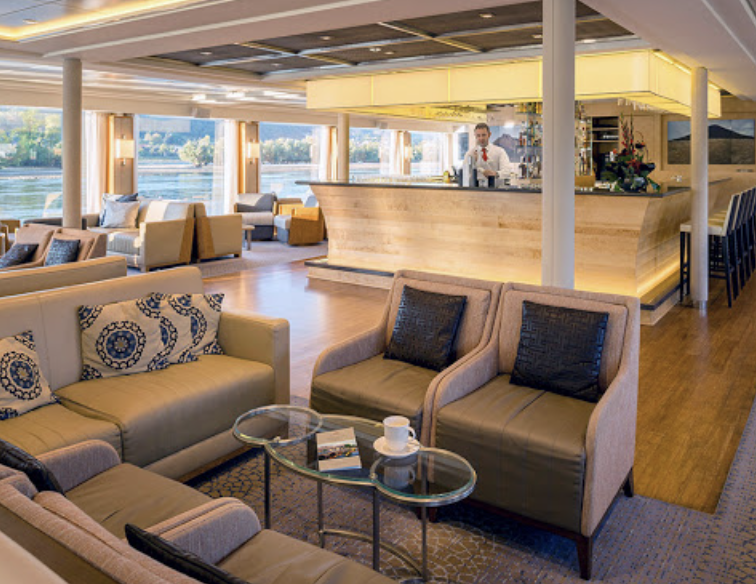
The social heart of Freya shifts according to the time of day. The Lounge is suited to morning relaxation, afternoon enrichment, destination briefings, and casual evenings, with large windows ensuring the surrounding landscape remains part of the setting. At the forward end of the ship, the Aquavit Terrace takes a different approach. Its combination of sheltered and outdoor seating creates an informal place for selected meals, coffee, or drinks while providing an unobstructed view in the direction the vessel is traveling.
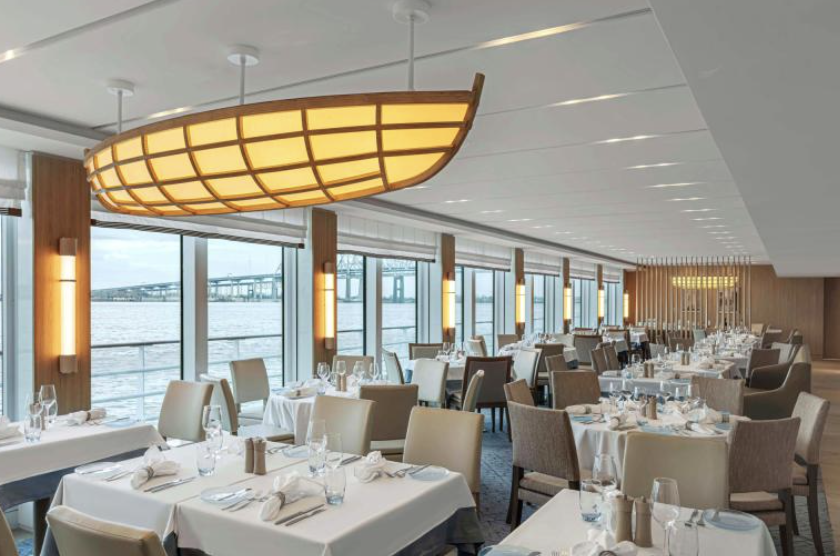
Food aboard complements rather than interrupts the itinerary. The Restaurant serves breakfast, lunch, and dinner with menus that balance recognizable international selections and dishes influenced by regional traditions. Complimentary wine, beer, and soft drinks are served with onboard lunch and dinner. Because river itineraries often include full days of touring, the atmosphere remains relaxed, allowing guests to return from shore and move naturally into dinner without the formality associated with traditional ocean cruising.
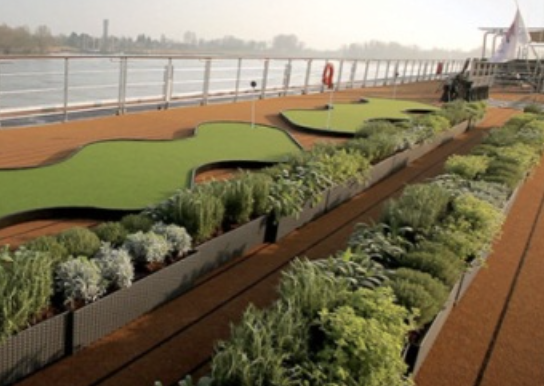
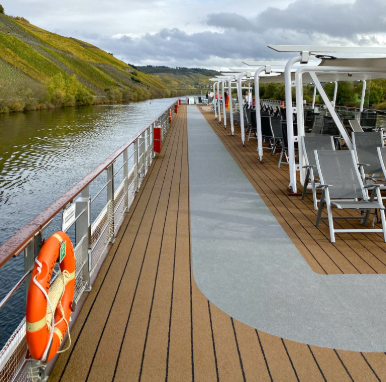
Freya’s upper deck adds another dimension to the ship. When navigation and weather permit, the Sun Deck provides an expansive outdoor setting for watching castles, vineyards, church towers, farmland, and waterfront communities appear along the horizon. Locks and bridges become part of the journey as well, giving guests a close look at the infrastructure that makes long-distance river navigation possible across the continent.
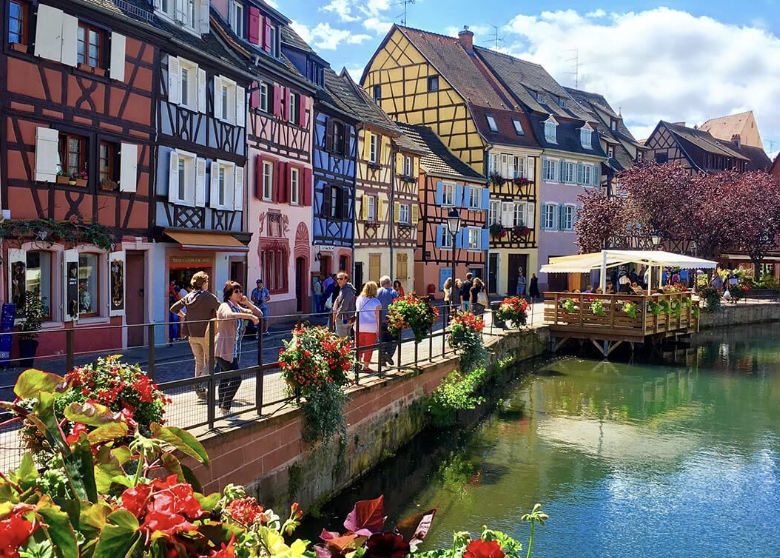
Depending on deployment, Freya can travel routes connecting destinations across Germany, Austria, Hungary, the Netherlands, and neighboring regions. These waterways provide access to major cultural centers while preserving the smaller towns and rural landscapes between them. Instead of experiencing Europe as a series of disconnected stops, guests can observe the gradual transitions in architecture, geography, and culture as the ship moves from one region into another.
Freya joined the fleet in 2012, but the principles behind her design remain central to Viking’s approach to European river cruising. There is no sprawling entertainment complex competing with the itinerary. Included excursions, cultural enrichment, comfortable accommodations, and panoramic spaces support the journey rather than becoming the journey themselves. For travelers interested in seeing Europe from its historic waterways, Freya provides a refined example of how thoughtfully designed river travel can make the movement between destinations as rewarding as the destinations themselves.

 Viking Freya





 Mange your Bookings