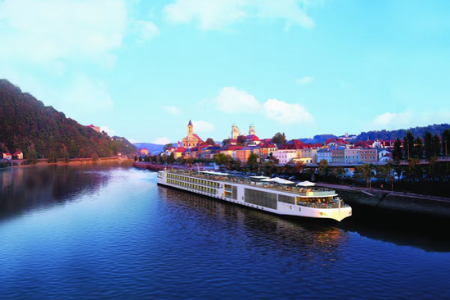

Few river journeys offer an arrival quite like sailing toward the center of Paris. Viking Fjolvar was created specifically for that experience, using dimensions and engineering adapted to the Seine so guests can remain closely connected to the French capital while also venturing into the historic landscapes of Normandy. Joining the Viking fleet in 2026, Fjolvar represents a newer generation of Viking’s French river vessels, combining familiar Scandinavian styling with a design tailored to one particular waterway.
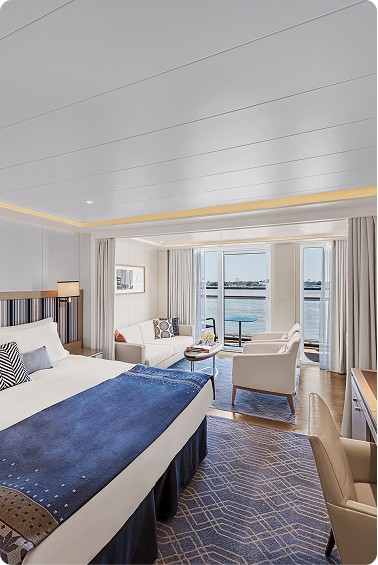
The ship carries only 168 guests, fewer than Viking’s standard European Longships, and its 84 outside staterooms give the vessel an intimate character. Accommodation choices range from Standard Staterooms to French Balcony and Veranda categories, with Veranda Suites and Explorer Suites providing additional space. The two Explorer Suites are particularly distinctive, incorporating wraparound outdoor areas and expansive views from the aft portion of the vessel. Throughout the accommodations, light woods, contemporary furnishings, understated fabrics, and practical storage continue Viking’s preference for residential simplicity over ornate decoration.
Fjolvar’s connection with Paris extends beyond simply using the city as an embarkation point. Its customized hull and propulsion system allow the vessel to navigate the Seine and use Viking’s docking location in the heart of Paris, placing guests close to many of the experiences that make the capital such an important part of the itinerary. From there, the river becomes a pathway into a very different side of France, where urban boulevards gradually give way to wooded banks, farmland, villages, historic towns, and the pastoral scenery associated with Normandy.
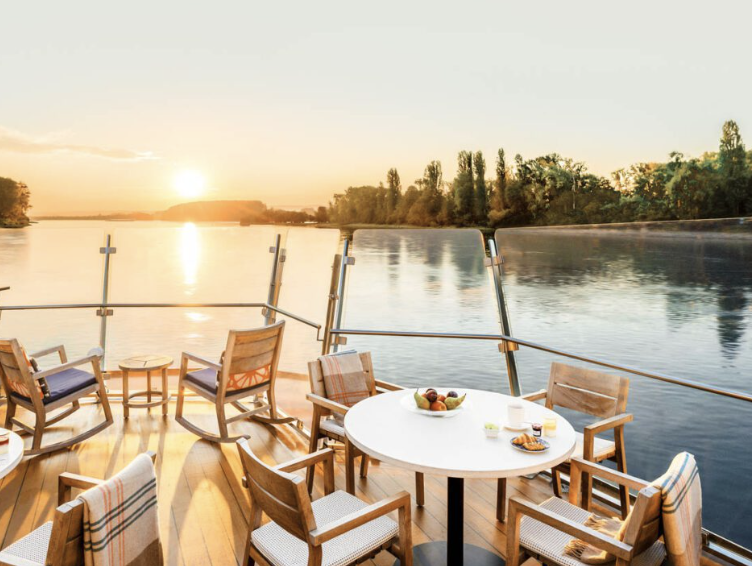
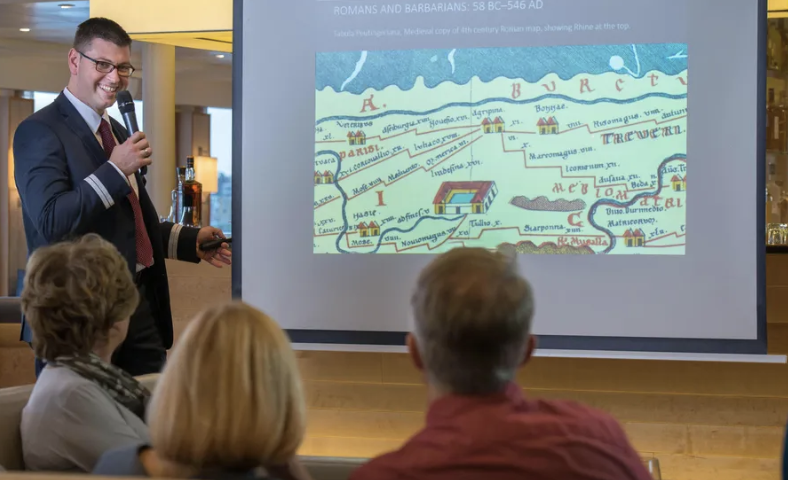
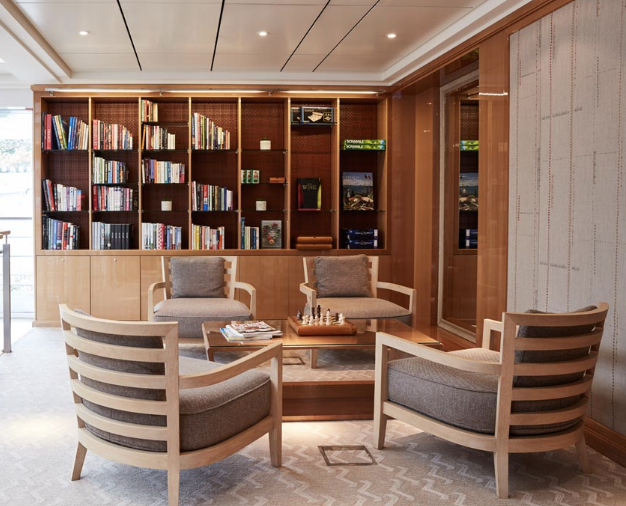
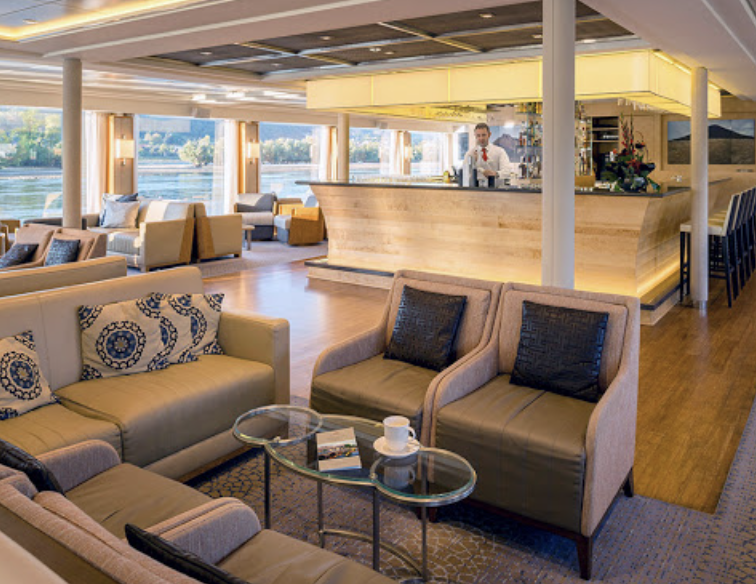
Life aboard remains intentionally uncomplicated. The Lounge provides a comfortable indoor setting for conversation, enrichment, destination briefings, and relaxed evenings, while the adjoining Aquavit Terrace opens the forward portion of the ship toward the river. That indoor-outdoor arrangement is particularly effective on the Seine, where guests can sit with a drink or casual meal while watching bridges, villages, and changing landscapes appear ahead of the vessel.
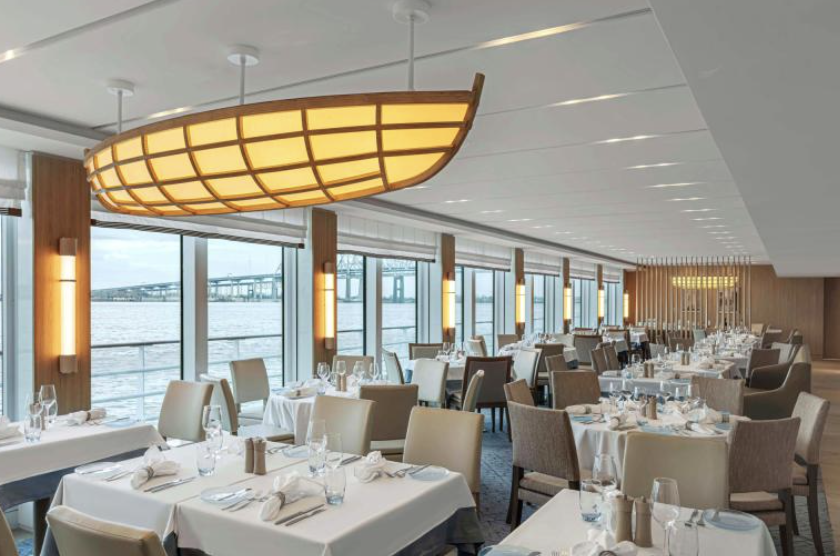
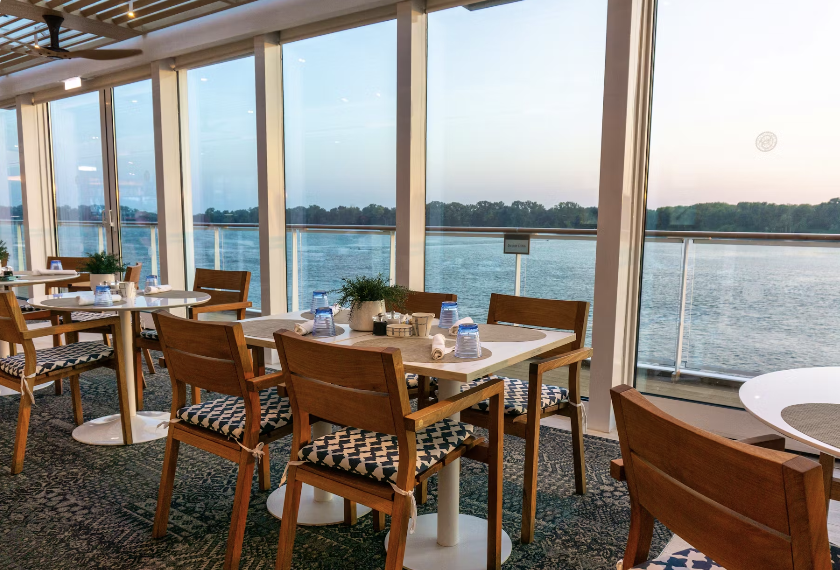
Dining provides another connection to the journey without attempting to recreate a collection of specialty restaurants. The main Restaurant serves breakfast, lunch, and dinner, incorporating regional inspiration alongside familiar international selections. Complimentary wine, beer, and soft drinks are included with onboard lunch and dinner. The Aquavit Terrace offers a more casual alternative for selected meals, making it possible to enjoy French scenery without separating dining from the experience outside.
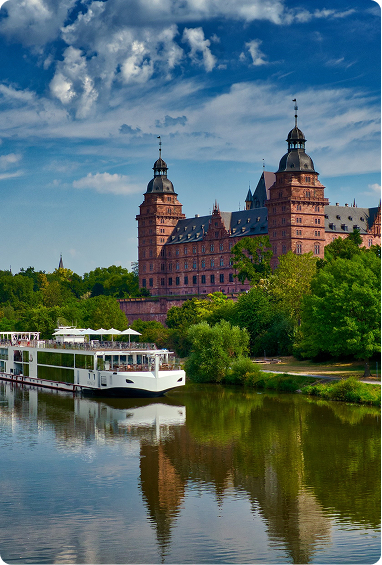
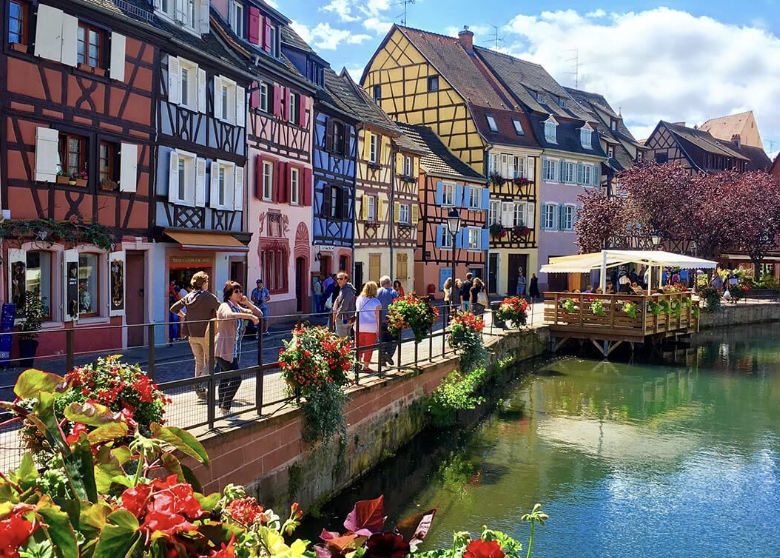
Normandy adds considerable historical range to the itinerary. Rouen introduces Gothic architecture and associations with Joan of Arc, while communities such as Vernon and Les Andelys reveal another side of the Seine Valley. Excursion opportunities can also explore the region’s artistic heritage, countryside, and connections to pivotal events in European history. Rather than racing through several countries, Fjolvar allows the journey to concentrate on the cultural differences found within a single region.
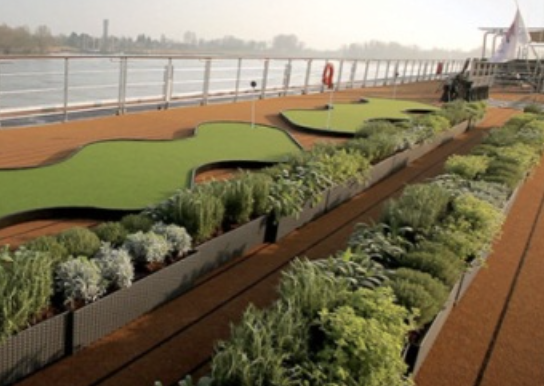
The Sun Deck provides perhaps the simplest way to appreciate those transitions. Parisian architecture eventually recedes, the river narrows and bends, and rural France takes its place. Guests can watch the scenery develop at the same pace as the vessel, giving the geography between destinations a presence that conventional transportation rarely provides.
Among European river cruises, Fjolvar offers a particularly focused experience. Its smaller capacity, specialized Seine design, central Paris access, and Normandy-centered itineraries create a voyage built around understanding one part of France in greater depth. The ship supplies contemporary comfort and Viking’s familiar destination-oriented approach, but Paris, the Seine, and Normandy provide the personality that makes Fjolvar distinct.

 Viking Fjolvar




 Mange your Bookings