
Some European journeys are defined by a single region; others reveal how dramatically the continent can change when followed from one waterway to the next. Viking Embla is especially well suited to the latter. Extended voyages can carry guests between Western and Central Europe while the scenery shifts from Dutch waterways and German river towns to the landscapes of Austria and Hungary. Instead of experiencing those places as isolated stops, travelers watch the transitions happen gradually, returning each evening to the same ship as Viking carries them deeper into the continent.
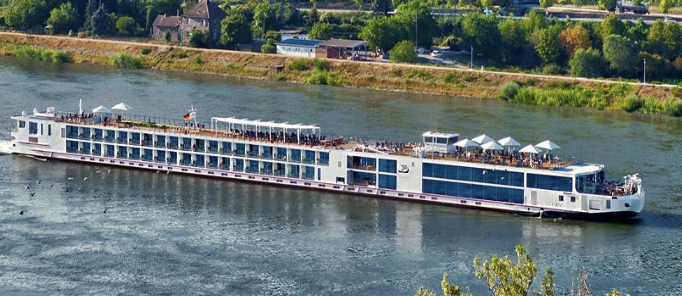
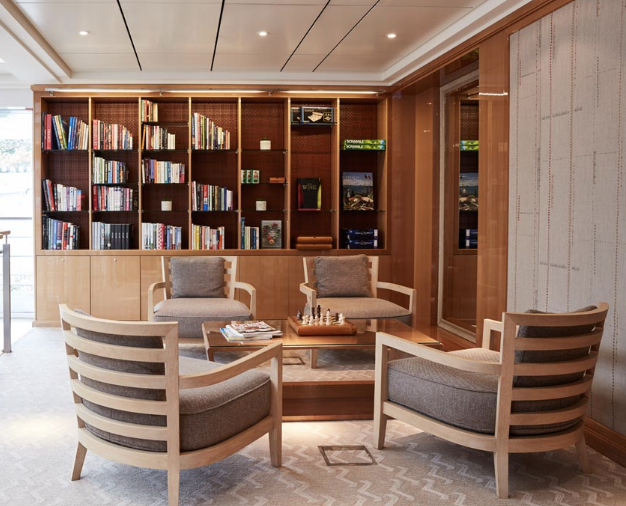
Embla was among the original generation of Viking Longships introduced in 2012. At 443 feet long, the vessel accommodates 190 guests in 95 staterooms, combining the intimate scale of river travel with an interior designed for longer journeys. Scandinavian influences are immediately apparent but deliberately restrained. Pale timber, natural textures, contemporary furniture, and broad expanses of glass keep the public spaces bright, while the absence of elaborate decoration allows the changing surroundings to provide much of the visual interest.
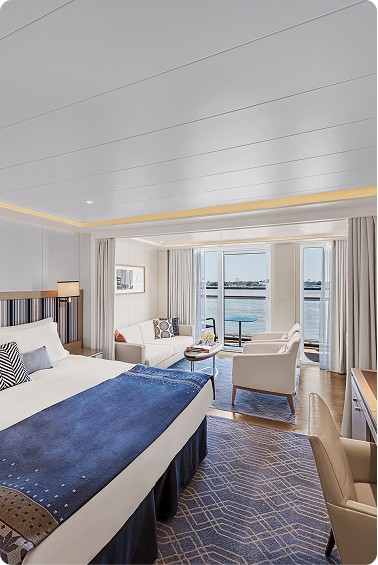
A longer itinerary makes the choice of accommodation particularly meaningful. Standard Staterooms offer an efficient base for travelers who expect to spend most of their time elsewhere, while French Balcony rooms open directly toward the river through floor-to-ceiling glass. Veranda Staterooms provide private outdoor seating for watching the landscape in greater privacy. Veranda Suites separate the bedroom from the living area, and Explorer Suites provide the most spacious accommodations aboard, giving guests additional room to settle in during an extended voyage.
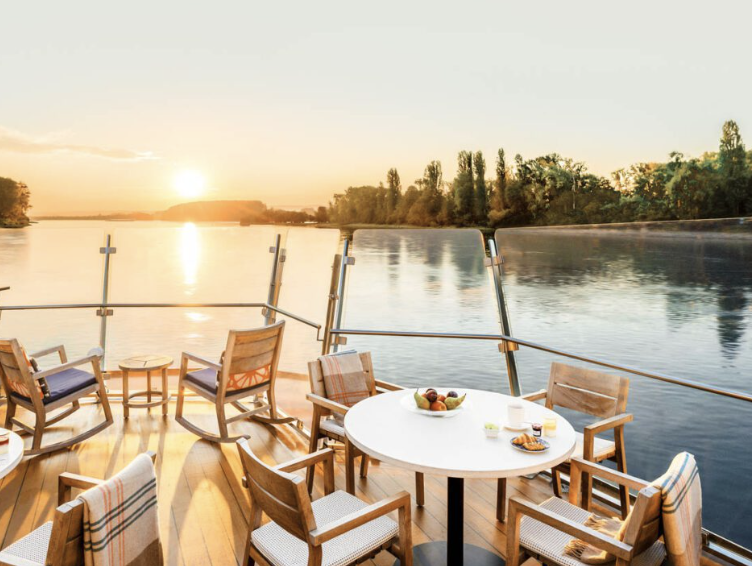
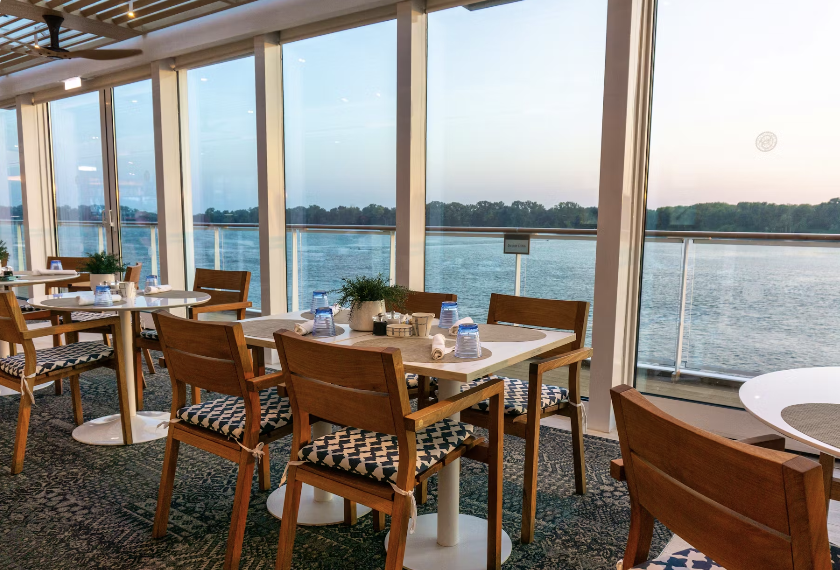
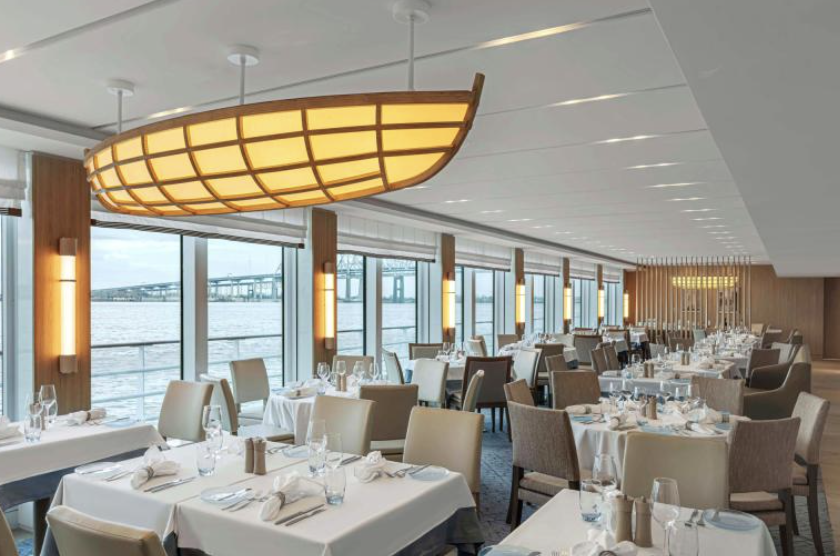
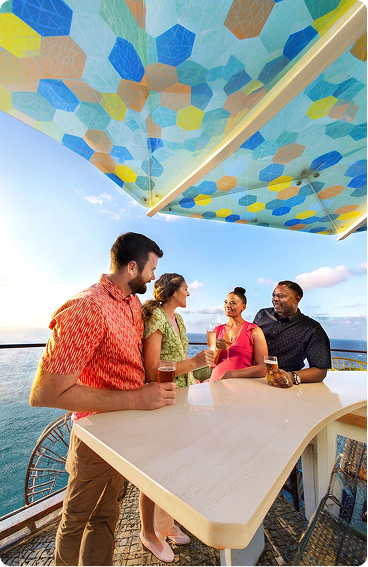
The Restaurant serves as a consistent gathering point even as the culinary influences outside the ship change. Menus can reflect ingredients and traditions associated with the countries being visited while retaining familiar international selections. Complimentary wine, beer, and soft drinks accompany onboard lunch and dinner. At the forward end of the ship, the Aquavit Terrace changes the experience by offering a more informal indoor-outdoor setting where selected meals can be enjoyed with the direction of travel visible ahead.
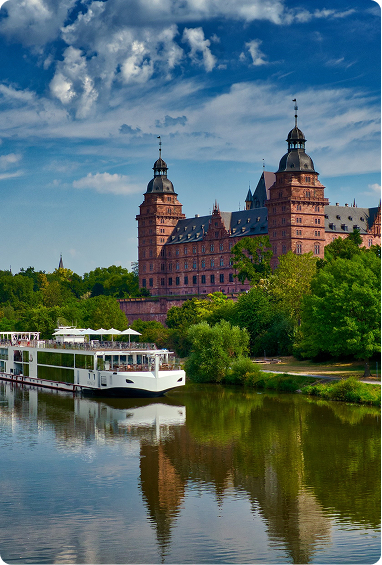
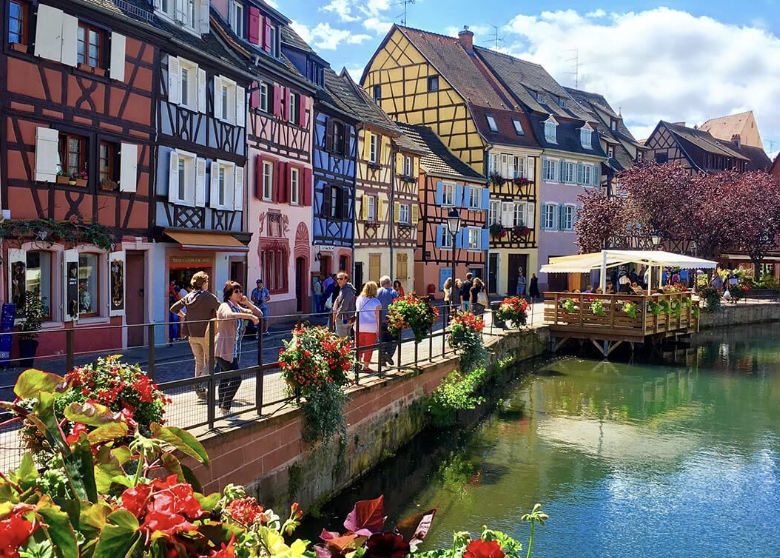
Embla’s itineraries can place Germany at the center of the journey, connecting the Rhine, Main, and Danube through a remarkable network of rivers and canals. Historic cities such as Cologne, Nuremberg, Regensburg, Vienna, and Budapest can be balanced by smaller communities where medieval streets, castles, vineyards, and local traditions provide a more intimate view of Central Europe. Locks and engineered waterways become part of the story as well, demonstrating how these river systems have connected regions for centuries.
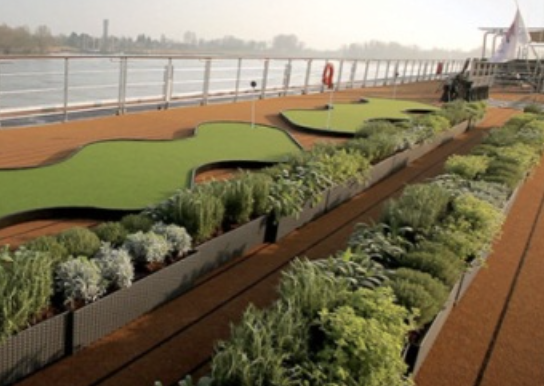
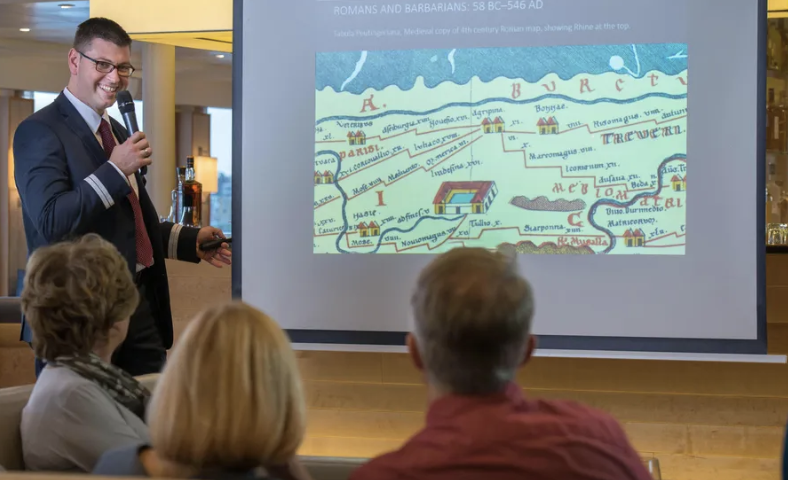
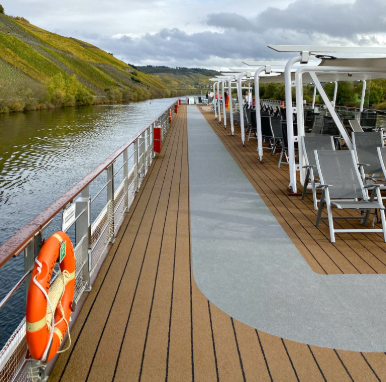
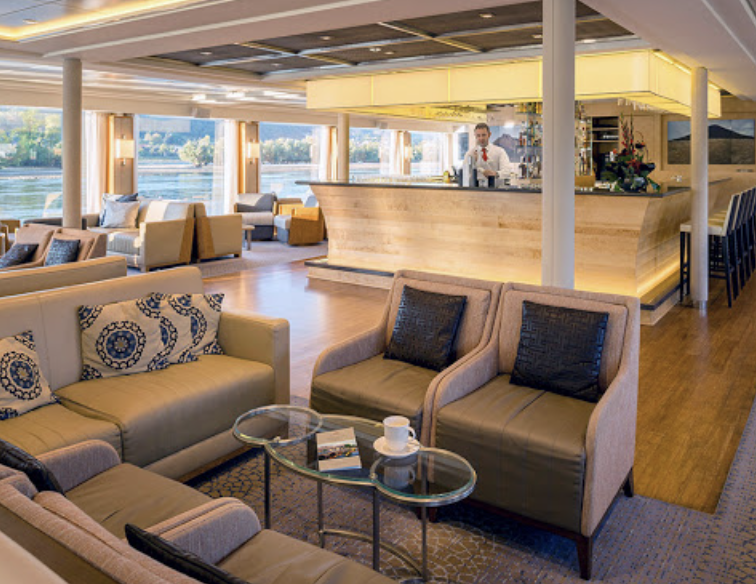
The ship adapts naturally to the changing pace of those days. When guests are aboard, the Lounge can host cultural programming, lectures, destination briefings, or informal entertainment. When the scenery deserves more attention, the Sun Deck offers an open perspective across river valleys, historic skylines, farmland, and waterfront communities. At other times, there is no need for organized activity at all; finding a comfortable seat and watching Europe pass beyond the windows can be enough.
Included shore excursions give travelers an introduction to important landmarks and local history, while additional time can be spent exploring independently or choosing more specialized experiences. Because Embla remains the constant element throughout the trip, guests can move through several countries without the logistical interruptions that often accompany a comparable land itinerary.
That continuity is one of Embla’s greatest strengths. The ship does not attempt to become the centerpiece of the vacation. Instead, comfortable accommodations, relaxed dining, enrichment, and panoramic spaces work together to support a broader exploration of Europe. For travelers attracted to longer river journeys and the idea of watching one region gradually transform into another, Embla provides a particularly natural way to experience the continent.

 Viking Embla





 Mange your Bookings