
Unpacking once is a simple convenience that changes the character of an extended European journey. Aboard Viking Eistla, the same private space travels with guests as they move between countries, cities, and landscapes, eliminating the cycle of hotel checkouts and overland transfers that often accompanies a multi-destination itinerary. Staterooms therefore become more than somewhere to sleep; they provide a familiar retreat that follows the traveler through the heart of Europe.
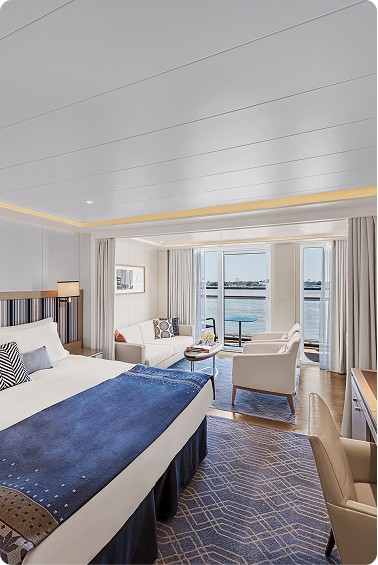
Eistla offers 95 accommodations divided among Standard, French Balcony, Veranda, Veranda Suite, and Explorer Suite categories. The asymmetrical architecture used across the Viking Longship fleet allows true balconies and unusually spacious suites to fit within the restricted width of a European river vessel. Light woods and subdued colors give the rooms a distinctly Nordic appearance, while thoughtful storage and contemporary furnishings favor practical comfort. Guests choosing an Explorer Suite gain considerably more living space; those selecting a French Balcony can open their room directly toward the river without giving up floor area to a conventional balcony.
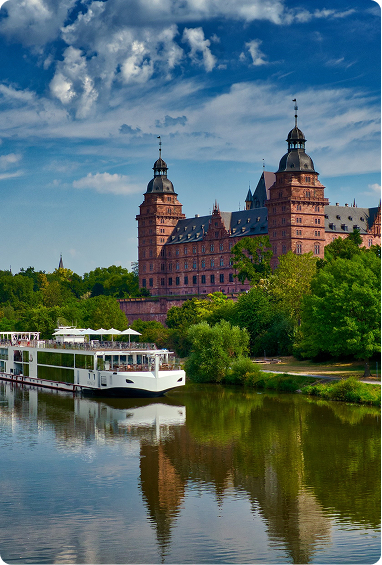
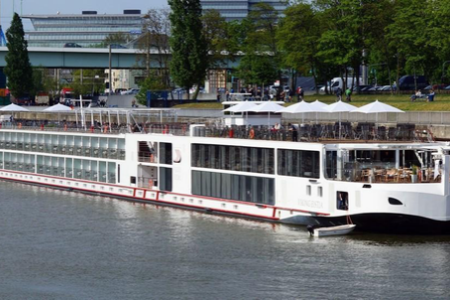
The ship itself carries only 190 passengers. That number influences the experience in subtle ways: walking from a stateroom to dinner takes minutes, familiar faces begin appearing around the ship, and returning from an excursion rarely involves navigating a massive terminal or a maze of decks. Eistla measures 443 feet from bow to stern, dimensions developed around the realities of European bridges, locks, docking locations, and waterways.
Meals provide natural gathering points rather than formal events. The Restaurant serves the principal breakfasts, lunches, and dinners, with regional recipes appearing alongside familiar choices as the ship changes destinations. Beer, wine, and soft drinks are complimentary with onboard lunch and dinner. At other times, the Aquavit Terrace provides a different atmosphere entirely. Its forward location and indoor-outdoor configuration make it possible to enjoy a casual meal while facing the direction of travel, with the next stretch of river unfolding ahead.
Eistla’s Lounge plays several roles without feeling overly programmed. A presentation may provide historical background for tomorrow’s excursion; later, the same room can become a place for drinks, conversation, or understated entertainment. This flexibility suits a voyage where guests may spend most of the day away from the ship. Rather than filling every hour with activities, Viking leaves room for travelers to determine how social—or how quiet—they want their evening to be.
Outside, the Sun Deck transforms according to where the ship happens to be. In a city, it can provide a rooftop-like view across waterfront architecture. In the countryside, the same deck becomes a platform for watching farmland, vineyards, forests, castles, and villages slide past. Locks and low bridges occasionally become part of the experience as well, reminders that Eistla is traveling through working waterways that have connected European communities for generations.
Itineraries can place the ship among some of Central Europe’s richest cultural regions. Voyages may incorporate the Netherlands and Germany before continuing through other parts of the continent, pairing prominent cities with lesser-known river communities. Included excursions introduce significant landmarks and local history, while independent time allows travelers to explore cafés, markets, streets, and neighborhoods beyond the organized program.
What distinguishes Eistla is not a single signature attraction. Its strength comes from how smoothly the individual parts work together: a manageable passenger count, accommodations designed around the view, dining without unnecessary formality, cultural programming that supports the itinerary, and outdoor spaces that make the journey visible. Instead of asking guests to choose between enjoying the ship and experiencing Europe, Eistla allows the two to become part of the same trip.

 Viking Eistla


 Mange your Bookings