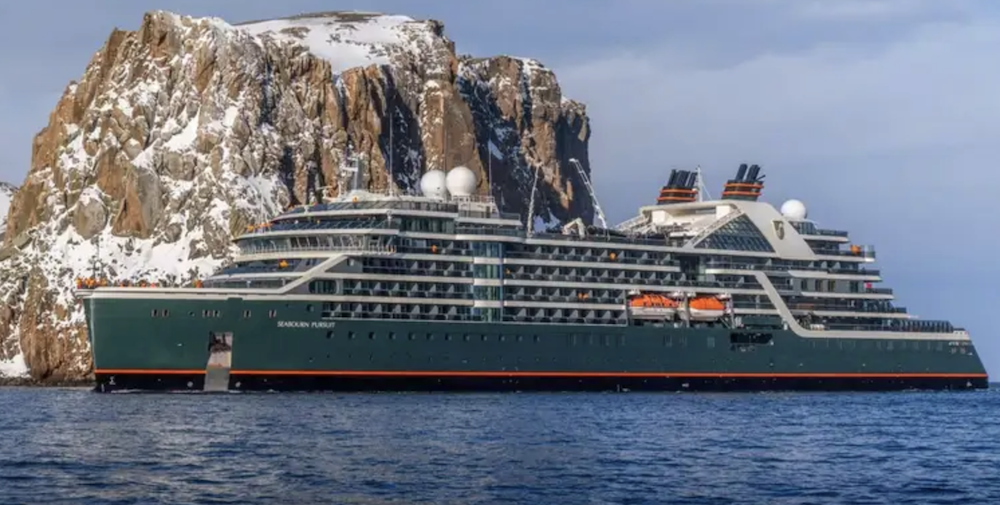

Few ships can begin a season among tropical islands and end it surrounded by icebergs. Seabourn Pursuit was created for precisely that kind of journey. The 264-guest expedition vessel pairs serious exploration capabilities with the polished surroundings of Seabourn, allowing travelers to reach remote coastlines without adopting the more utilitarian atmosphere traditionally associated with expedition travel. All 132 accommodations are oceanfront suites with private verandas, while a PC6 Polar Class hull and purpose-built expedition equipment prepare the ship for environments that extend from equatorial waters to the Antarctic.
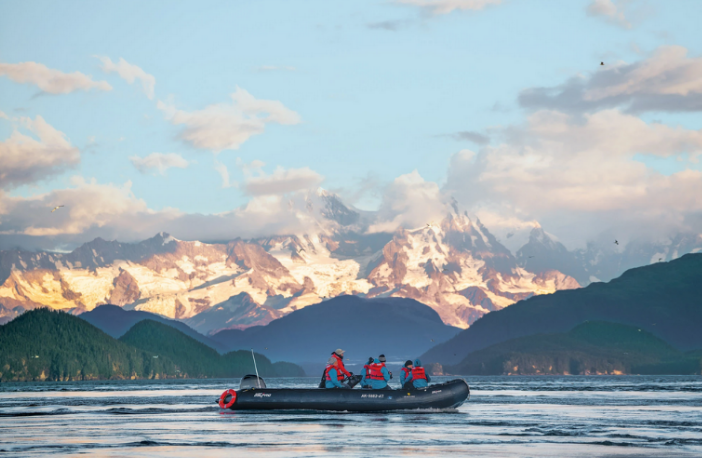
A day aboard Pursuit might begin long before breakfast with an announcement that whales have been spotted from the bow or that conditions are right for an unexpected Zodiac outing. Twenty-four Zodiacs are carried aboard, along with sea kayaks and equipment designed to move exploration away from conventional ports. Supporting those adventures is a 23-member Expedition Team whose specialists can include naturalists, marine biologists, historians, geologists and photographers. Their role extends beyond leading excursions; they provide the knowledge that turns an interesting landscape or wildlife sighting into a deeper understanding of the place being explored.
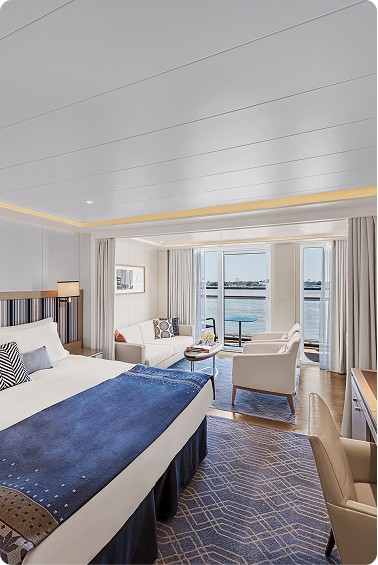
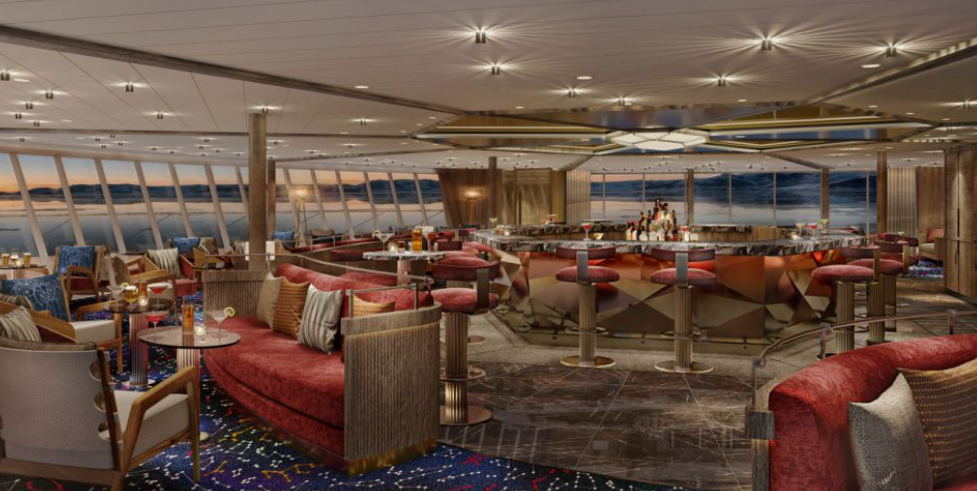
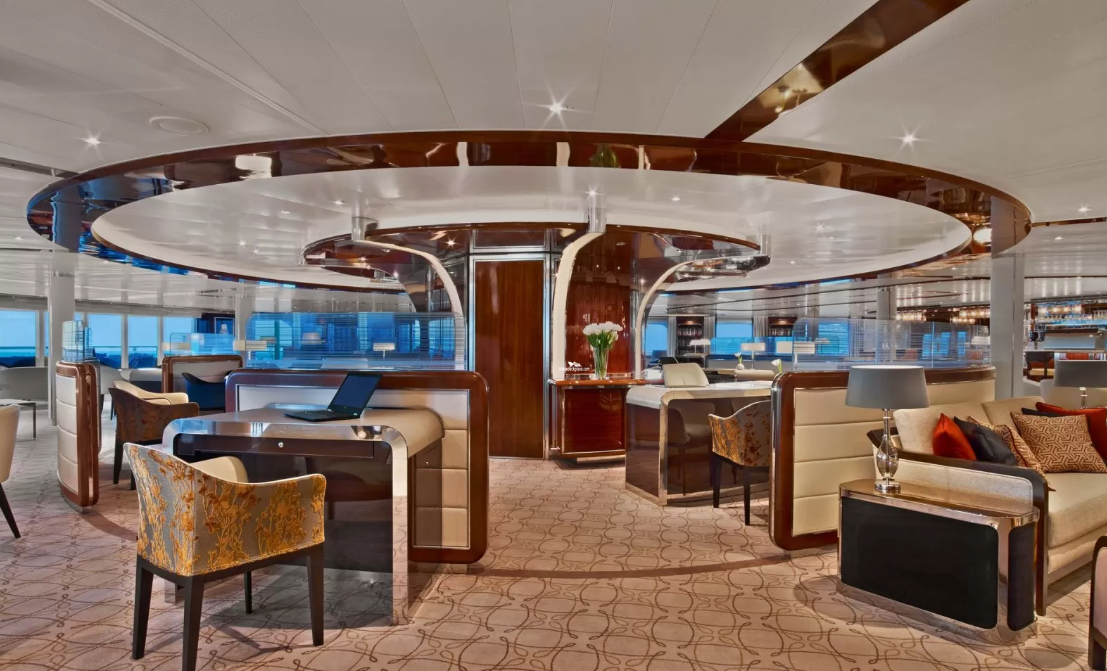
Comfort takes over once guests return aboard. Suites provide private verandas and dedicated living areas where the scenery remains visible even during quieter moments, while public rooms favor warm contemporary design over the rugged interiors sometimes associated with expedition vessels. Seabourn Square combines coffee, conversation and guest services in an informal setting, and the Bow Lounge provides a particularly appropriate gathering place on a ship where the view ahead can change by the minute. Observation areas throughout the vessel make it easy to move from a comfortable interior directly onto deck when something unexpected appears outside.
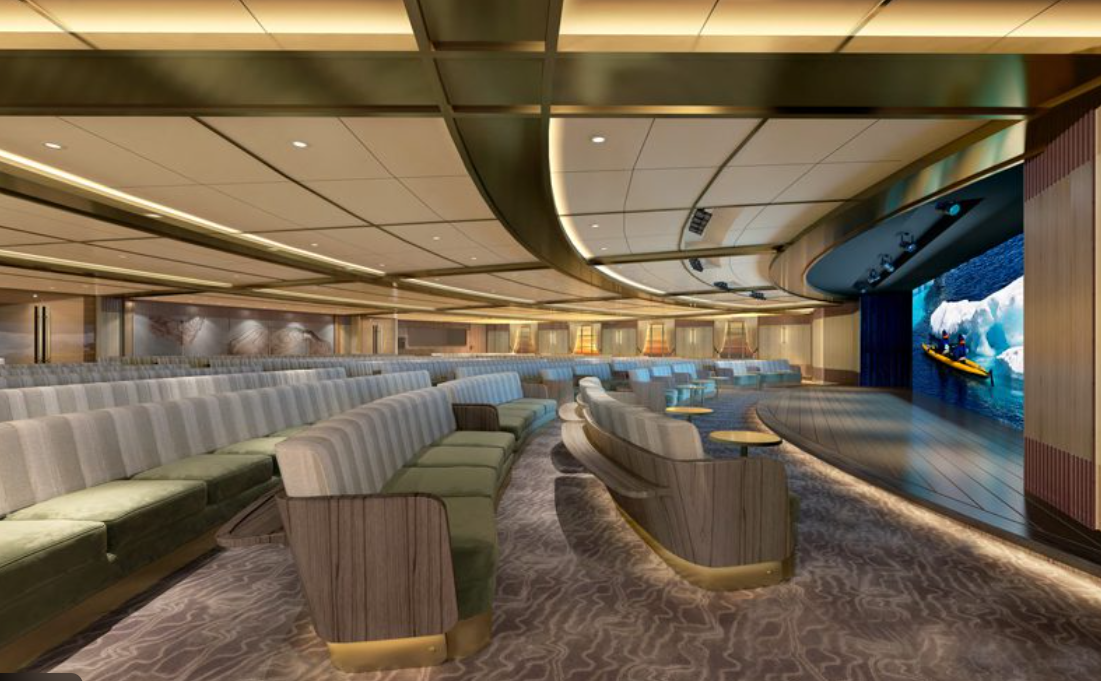
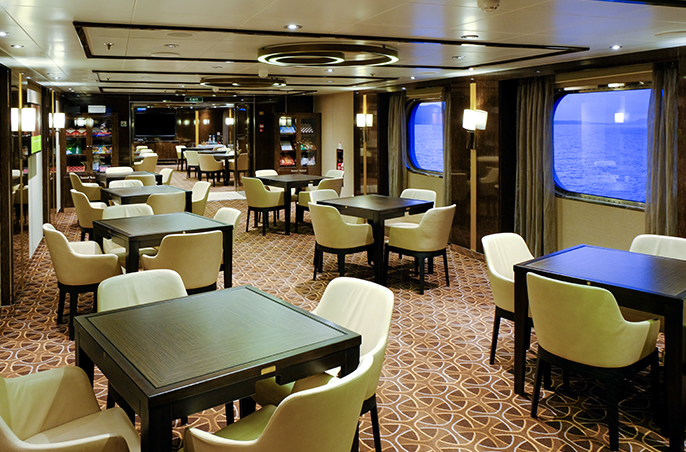
The Discovery Center gives the expedition program a dedicated stage. Presentations can explore everything from wildlife behavior and geology to regional history and indigenous cultures, often preparing guests for what they will encounter during the following day's activities. The Expedition Lounge offers a less formal environment for conversations with specialists before and after excursions. Together, these spaces make enrichment part of the voyage without turning it into a classroom; much of what is discussed onboard becomes visible outside the windows soon afterward.
Australia's Kimberley demonstrates how effectively the ship can operate away from familiar cruise infrastructure. Expeditions along the country's remote northwestern coast can travel between Darwin and Broome through a landscape of immense tides, sandstone gorges, waterfalls, reefs and isolated river systems. Zodiacs allow guests to leave the ship behind and enter narrower waterways, bringing places such as King George Falls, Montgomery Reef and the Hunter River within reach. The region's indigenous heritage adds another dimension, connecting the dramatic landscape with cultures whose relationship with this part of Australia stretches back thousands of years.
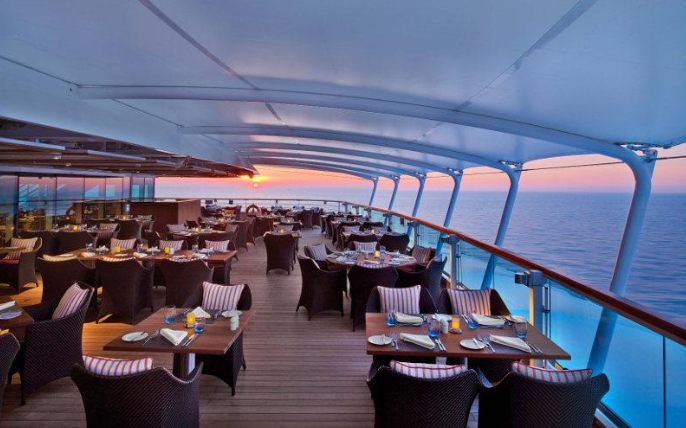
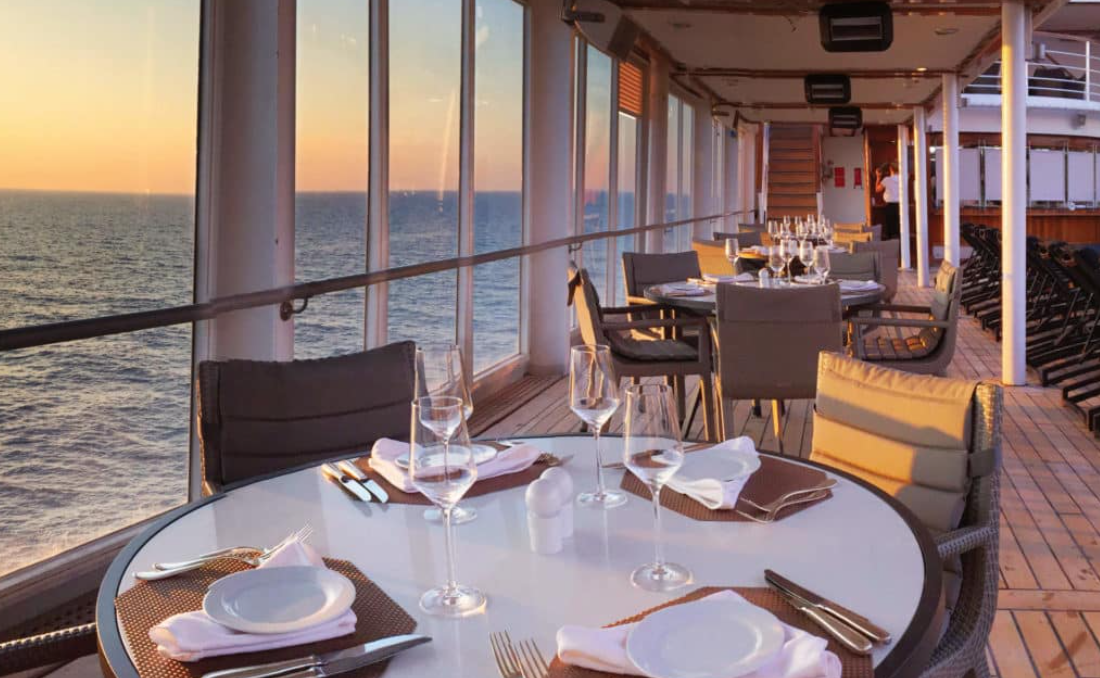
Meals are intentionally flexible enough to work around days when the expedition schedule takes priority. The Restaurant offers open-seating dining in a refined setting, while The Colonnade provides a more casual alternative with menus that can move comfortably between breakfast, lunch and dinner. Other informal choices make it easy to eat before or after an excursion, and complimentary in-suite dining offers privacy when guests would rather remain on their veranda. The surroundings can make even an unhurried dinner memorable: a tropical anchorage, remote Australian coastline or wall of polar ice may provide the evening backdrop.
Warm-water exploration takes another form when the itinerary moves through the South Pacific. Here, coral islands, volcanic landscapes and culturally distinctive communities replace Australia's rugged northwest coast. Voyages can connect parts of Fiji, Papua New Guinea, Indonesia and other areas of Oceania, using the vessel's smaller scale to venture beyond the region's heavily developed resort destinations. In these waters, expedition cruising becomes as much about people and culture as wildlife, with small-craft operations creating opportunities to visit communities and coastlines that are difficult to incorporate into conventional itineraries.
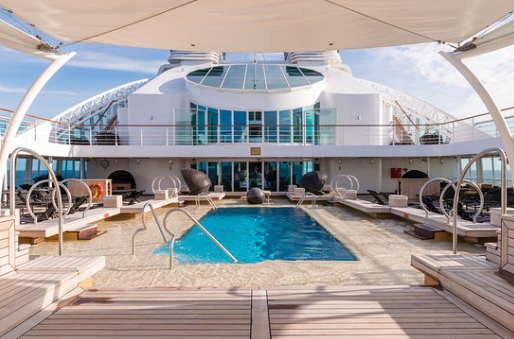
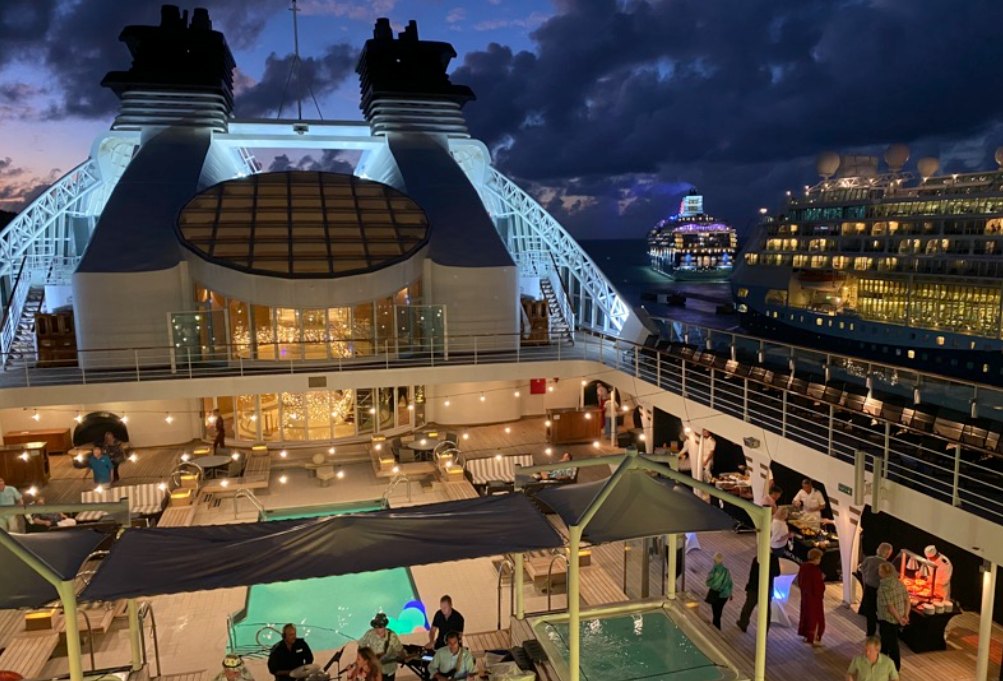
There is plenty of room for doing very little as well. An infinity pool, whirlpools and open observation decks provide places to absorb the surroundings without joining an activity, while spa and fitness facilities offer a welcome reset after hiking, kayaking or traveling ashore by Zodiac. With only 264 guests aboard, these spaces rarely feel separated from the expedition itself. A quiet afternoon by the pool can still include passing wildlife, distant mountains or an unfamiliar island appearing on the horizon.
When Pursuit turns south toward Antarctica, the scale of the adventure changes completely. Icebergs, glaciers, penguin colonies and whale-rich waters replace tropical coastlines, while Zodiacs and guided landings become the primary means of exploring beyond the vessel. Longer expeditions can reach beyond the Antarctic Peninsula to South Georgia and the Falkland Islands, regions celebrated for extraordinary wildlife concentrations and landscapes that remain almost entirely untouched by conventional development. The small number of guests becomes especially valuable here, where expedition logistics directly influence how much time travelers can spend exploring.
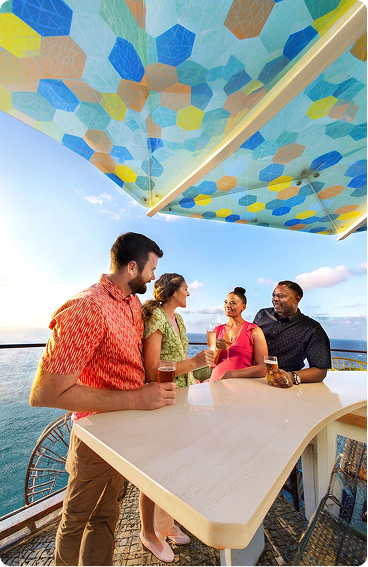
Luxury is deliberately woven into those adventurous days rather than saved for special occasions. Fine wines and premium spirits, gratuities, dining and Wi-Fi are incorporated into the onboard experience, while many expedition activities are included as part of the voyage. Guests can return from a wet Zodiac landing, exchange expedition gear for something comfortable and settle into a lounge with a drink without feeling that the ship has suddenly switched personalities. Adventure and hospitality operate alongside one another throughout the day.
Traditional cruise entertainment takes a quieter role. Evenings may revolve around tomorrow's expedition briefing, a photography presentation, conversation with a naturalist or drinks with fellow travelers comparing what they saw ashore. Music and comfortable lounges remain part of the experience, but there is little need to manufacture excitement when the next morning could bring a penguin colony, remote village, waterfall or pod of whales. The destinations provide the spectacle; the ship provides an exceptionally comfortable place from which to experience it.
Perhaps the most compelling aspect of Pursuit is how dramatically her surroundings can change over the course of a year. Expedition seasons carry the vessel between Australia, Oceania and the polar south, following weather patterns and wildlife rather than repeating the same collection of established cruise ports. Each region changes the rhythm onboard: tropical voyages emphasize islands and cultural encounters, the Kimberley brings rivers and immense tidal landscapes, and Antarctica places wildlife and ice at the center of almost every day.
Pursuit does not attempt to recreate the experience of a traditional luxury cruise in more remote waters. It takes the service, suites, dining and comfort associated with Seabourn and builds them around a genuine expedition platform. The distinction becomes clearest at the end of an adventurous day: guests may have traveled by Zodiac through a landscape accessible to relatively few people, yet they return to a private veranda, a thoughtfully prepared dinner and a ship carrying only 264 travelers toward whatever lies beyond the horizon.

 Seabourn Pursuit












 Mange your Bookings